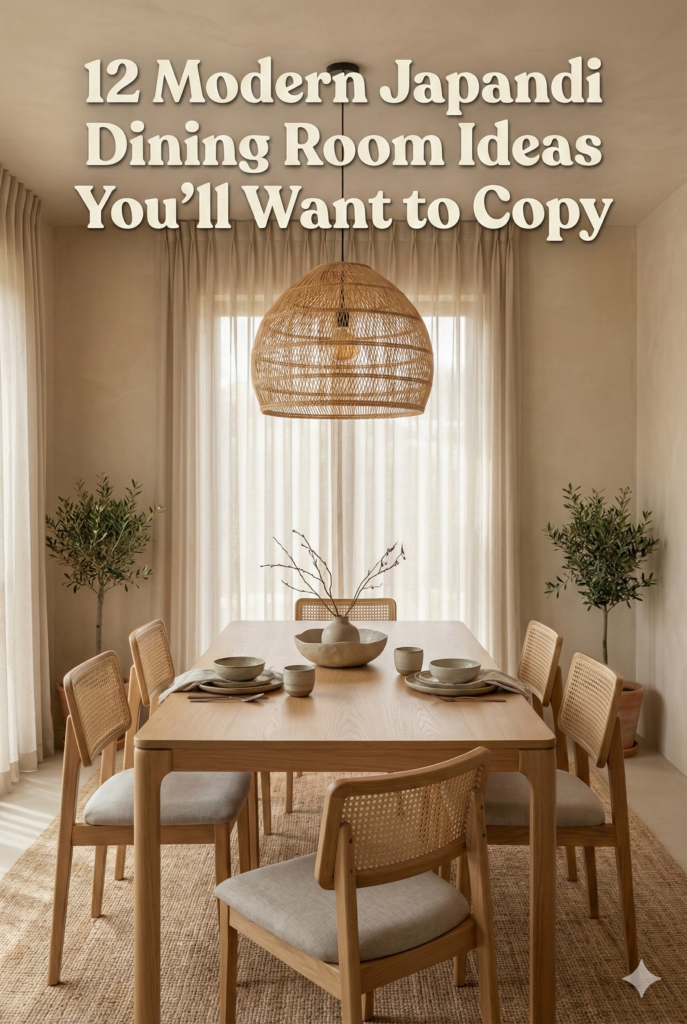
Japandi dining rooms hit different. They feel calm yet engaging, minimal but warm, stylish without being flashy. If your dining space feels chaotic or just… meh, this style fixes that fast.
I dove into the Japandi style when I saw my dining room looked like it came from three different homes. One chair from college.
One table from a rushed sale. Zero vibes. Japandi pulled everything together, and honestly, I haven’t looked back.
Let’s explore modern Japandi dining room ideas you can use today. You don’t need to make your home look like a furniture showroom.
1. Clean Wood Dining Tables That Ground the Space
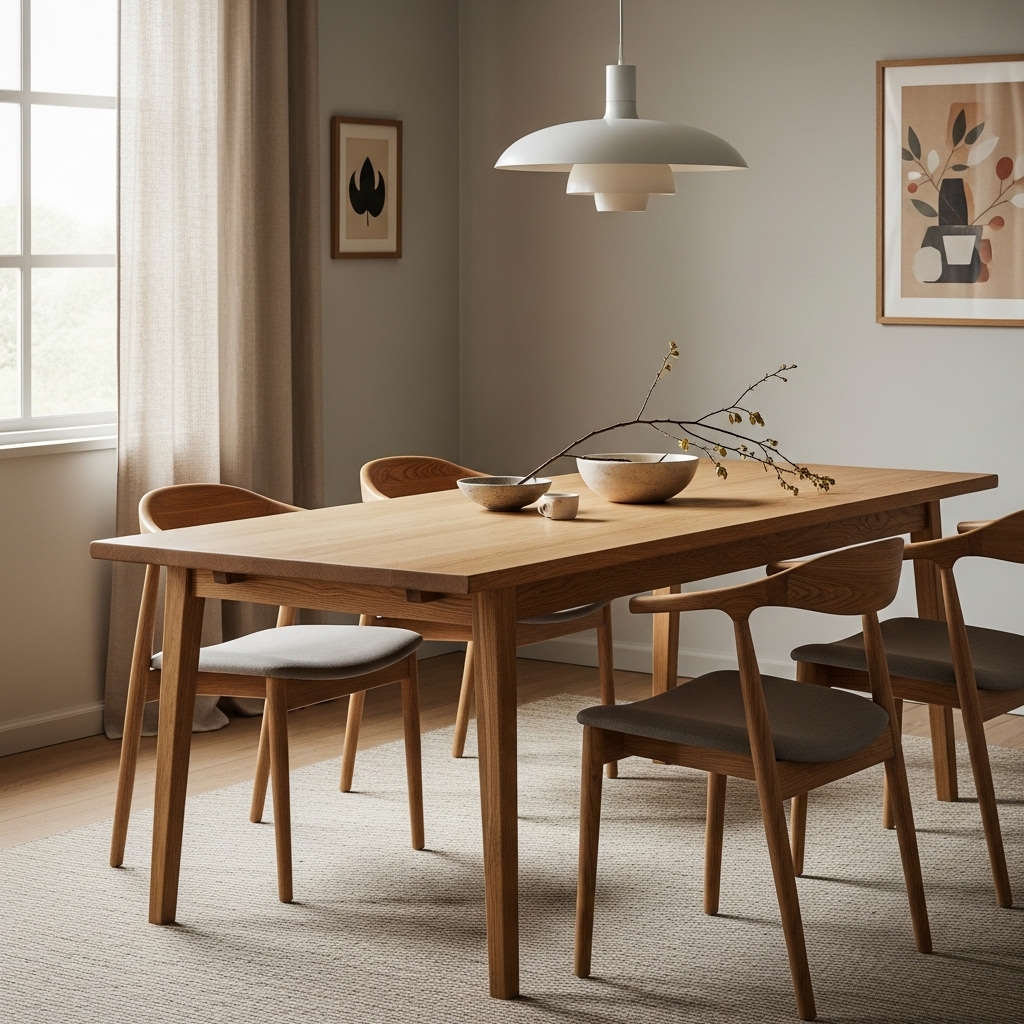
Japandi starts with wood. Always. A simple wood dining table sets the tone and calms the whole room.
I prefer solid oak or walnut because they age well and don’t feel trendy. Ever notice how lighter wood instantly makes a space breathe? That’s the magic.
What works best
- Rectangular or softly rounded edges
- Matte or natural finishes
- No heavy carvings or glossy stains
Amazon product pick:
Solid Wood Japandi Dining Table (Oak Finish)
Simple, sturdy, and perfect for everyday meals.
2. Minimalist Dining Chairs That Don’t Compete for Attention
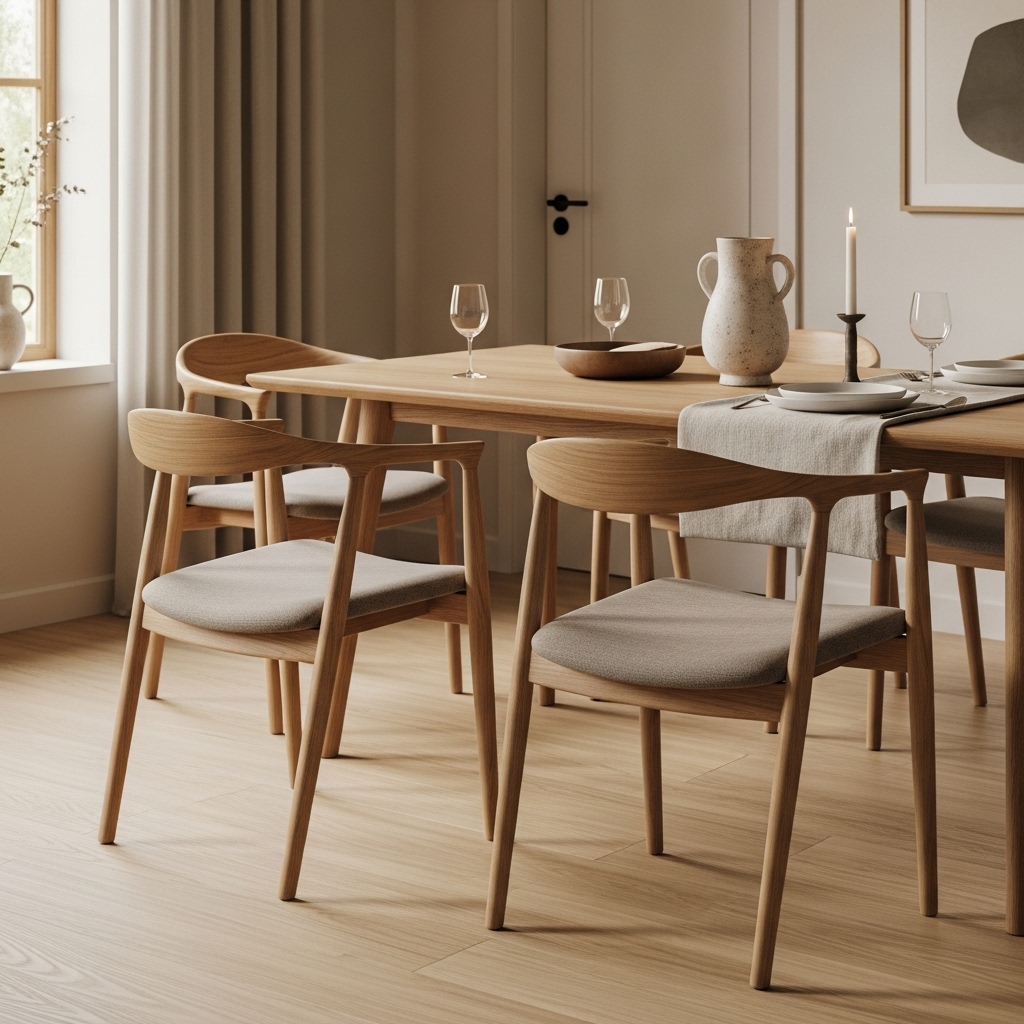
Japandi chairs stay quiet. They don’t shout. They support the table and let the room feel balanced.
I mix wood chairs with subtle curves to avoid stiffness. Straight-backed chairs look nice, but comfort matters more when dinner turns into a two-hour chat.
Look for
- Light wood frames
- Woven seats or padded neutral cushions
- Low-profile silhouettes
Amazon product pick:
Scandinavian Wooden Dining Chairs (Set of 2)
Comfortable, clean-lined, and easy to pair.
3. Neutral Color Palettes That Calm Everything Down
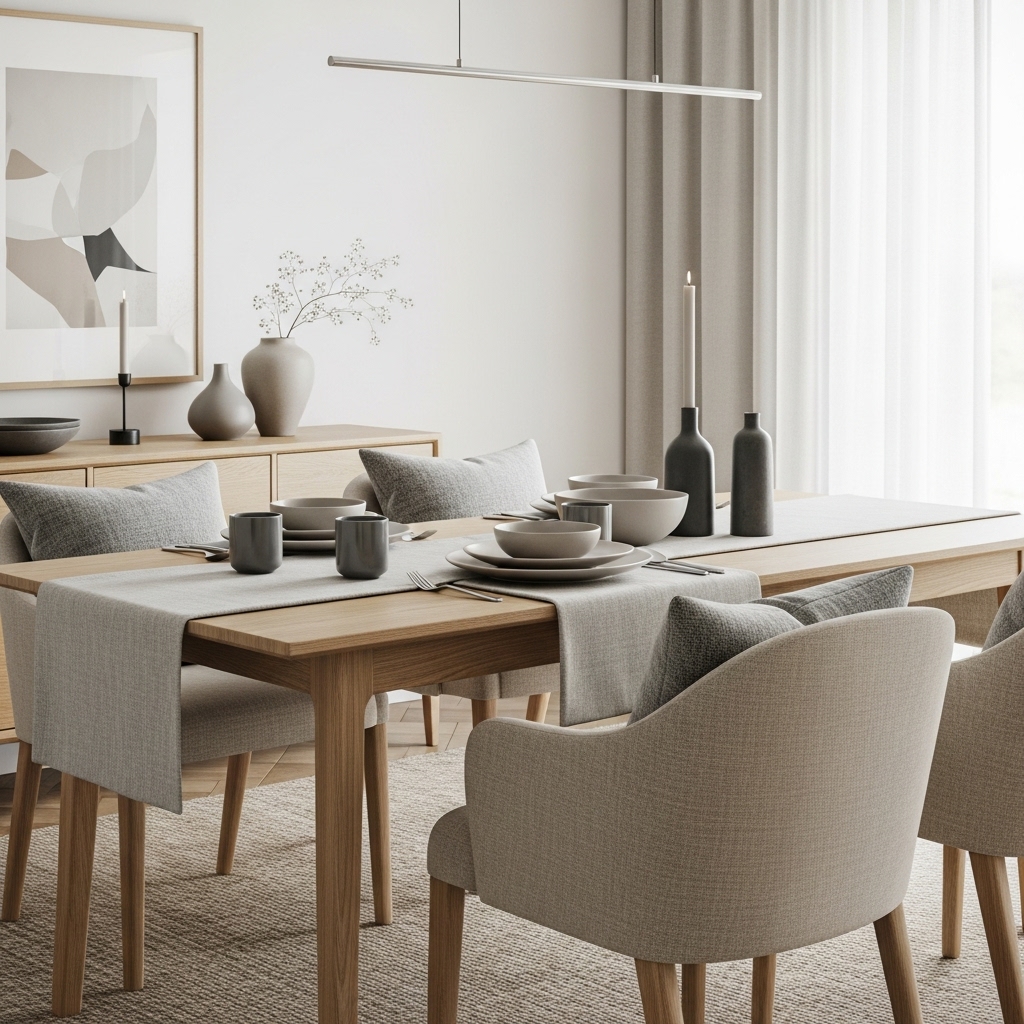
Japandi dining rooms avoid bold colors, and honestly, that’s a relief. Neutral tones make meals feel slower and more intentional.
I stick to warm whites, soft beige, greige, and muted taupe. Black works too, but only in small doses.
Winning color combos
- Warm white + natural wood
- Beige + charcoal accents
- Soft gray + linen textures
Ever notice how food looks better in neutral rooms? Not scientific, but I swear it’s true.
4. Statement Pendant Lighting With Soft Curves
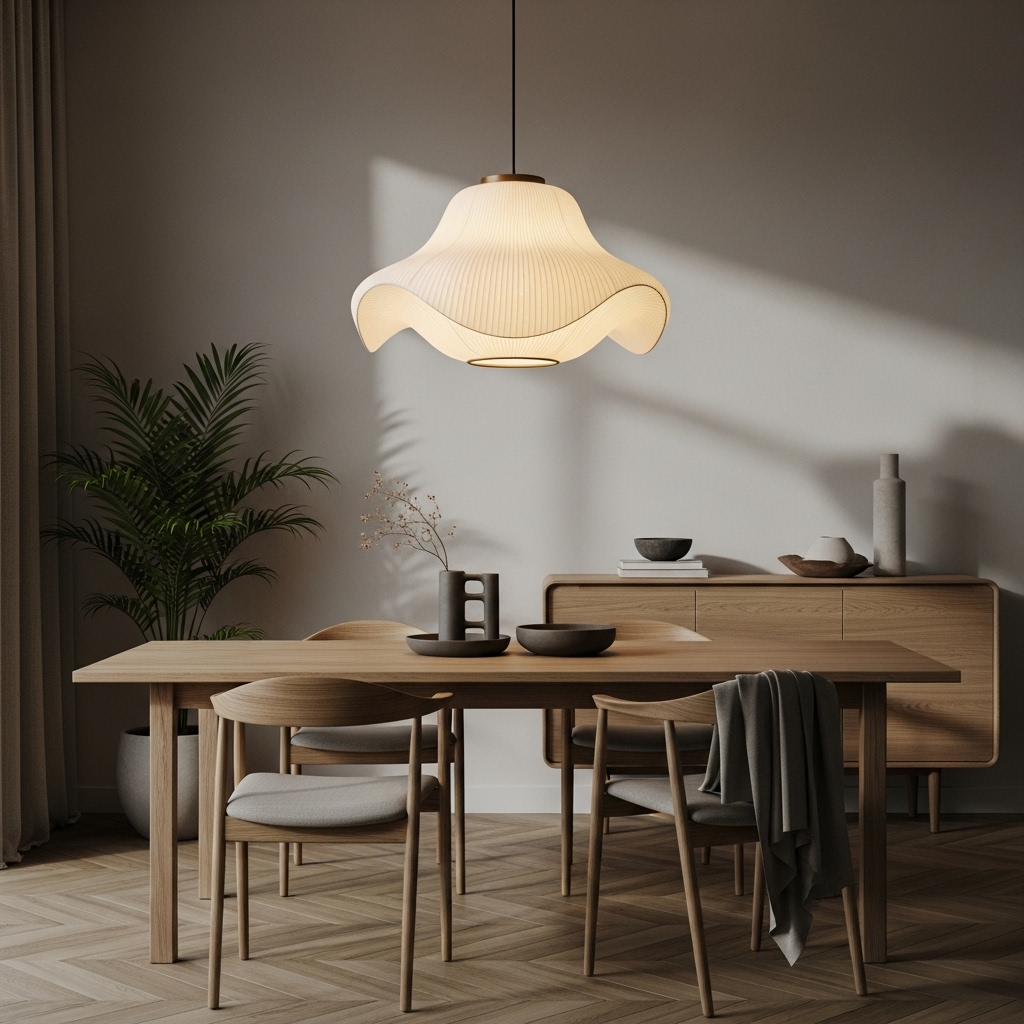
Lighting changes everything. One good pendant light can upgrade your dining room instantly.
I love paper lanterns or fabric pendants because they feel airy and relaxed. Hard metal lights feel too industrial for Japandi, IMO.
Pendant lighting tips
- Hang it low but not in-your-face low
- Choose soft, diffused light
- Avoid shiny finishes
Amazon product pick:
Rice Paper Pendant Light Fixture
Soft glow, timeless shape, zero stress.
5. Japandi-Inspired Tableware That Feels Handmade
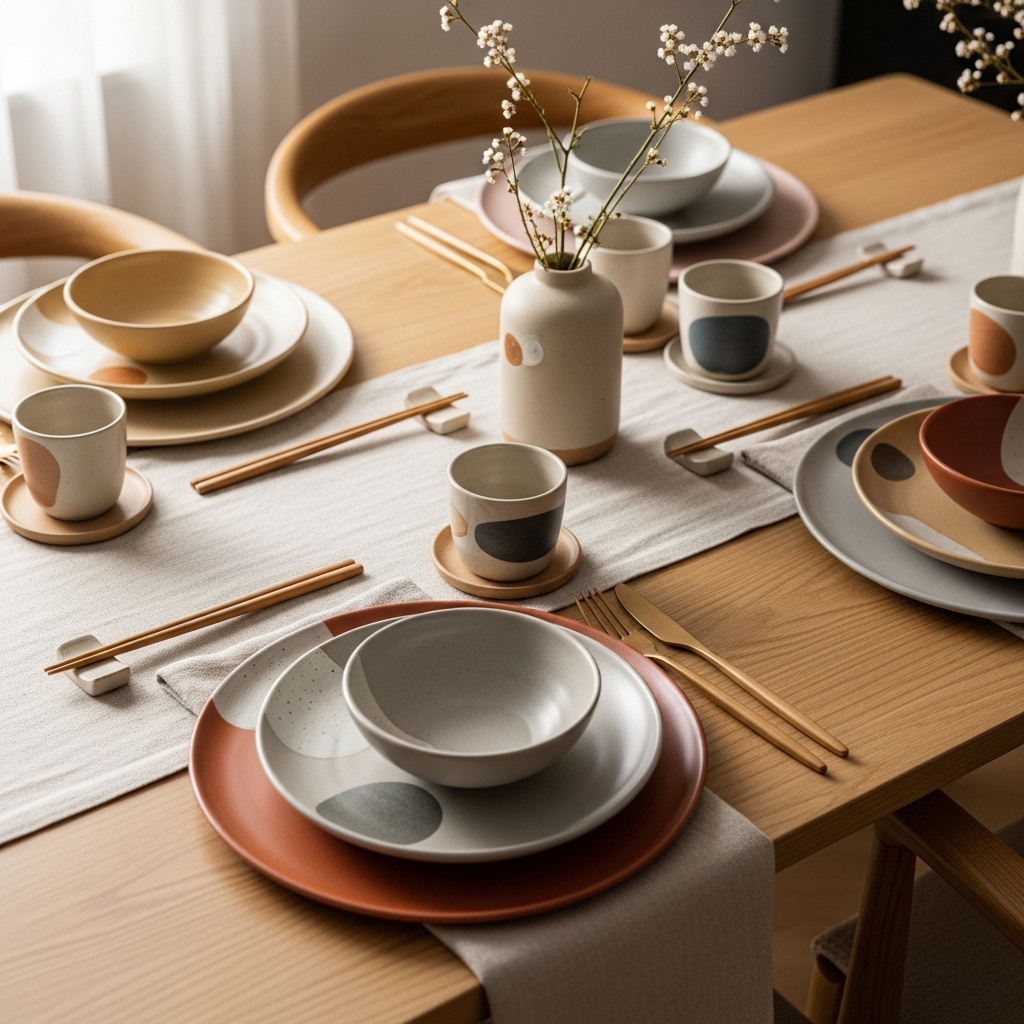
Plates matter more than you think. Japandi table settings feel intentional but never fussy.
I use stoneware with subtle texture. Slight imperfections make the table feel human, not staged.
Tableware essentials
- Matte ceramic plates
- Earthy tones like sand or clay
- Minimal patterns
Amazon product pick:
Minimal Stoneware Dinnerware Set
Perfect for daily use and dinner guests.
6. Open Space Over Over decorating
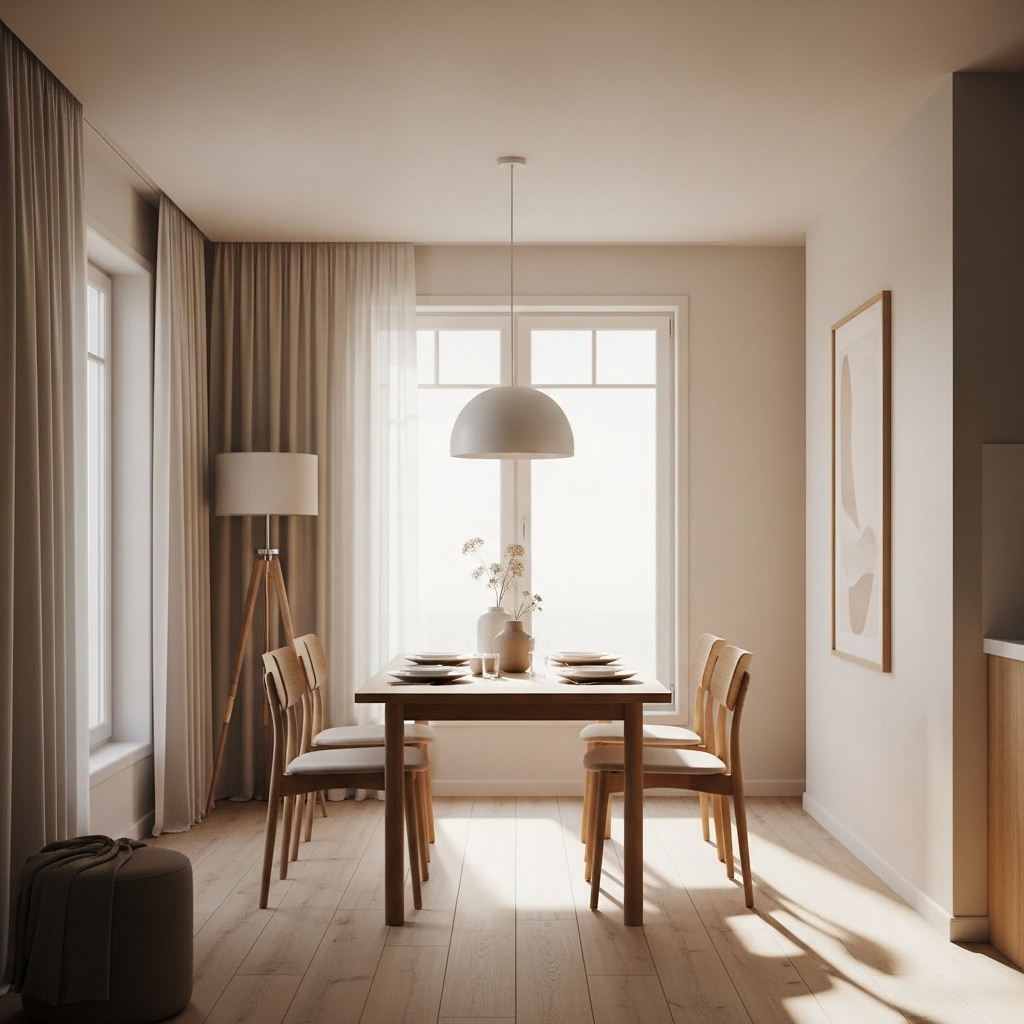
Japandi dining rooms leave room to breathe. I removed half my decor, and the room instantly felt calmer.
Empty space isn’t wasted space. It’s part of the design.
What to remove
- Extra chairs you never use
- Loud centerpieces
- Bulky storage units
Does your dining room feel crowded even when no one’s there? That’s your cue.
7. Low-Profile Sideboards for Hidden Storage
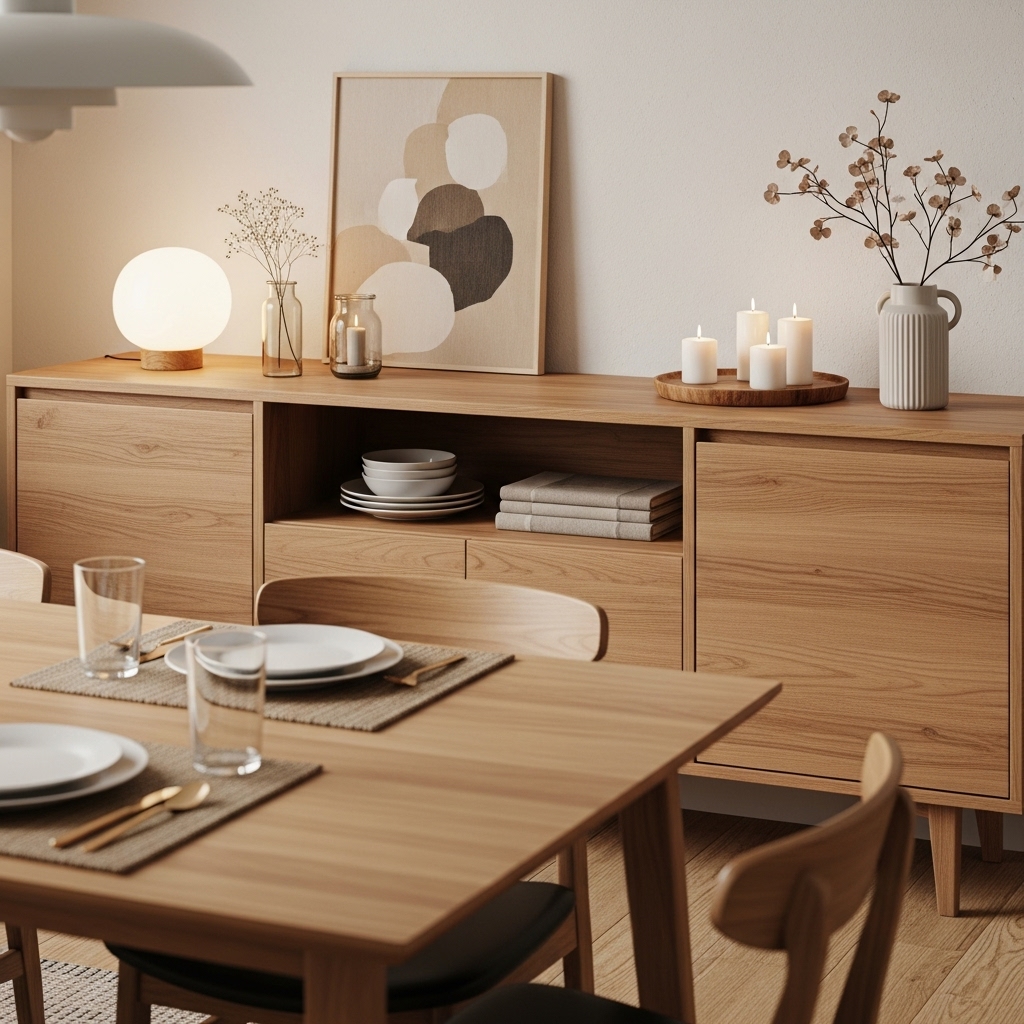
Storage still matters. Japandi just hides it better.
A low wooden sideboard keeps clutter out of sight while adding warmth. I store placemats, extra dishes, and the random candles I pretend I don’t hoard.
Sideboard must-haves
- Flat fronts
- Natural wood grain
- No visible hardware
Amazon product pick:
Minimal Wooden Sideboard Cabinet
Clean, practical, and very Japandi-approved.
8. Natural Textiles That Add Softness
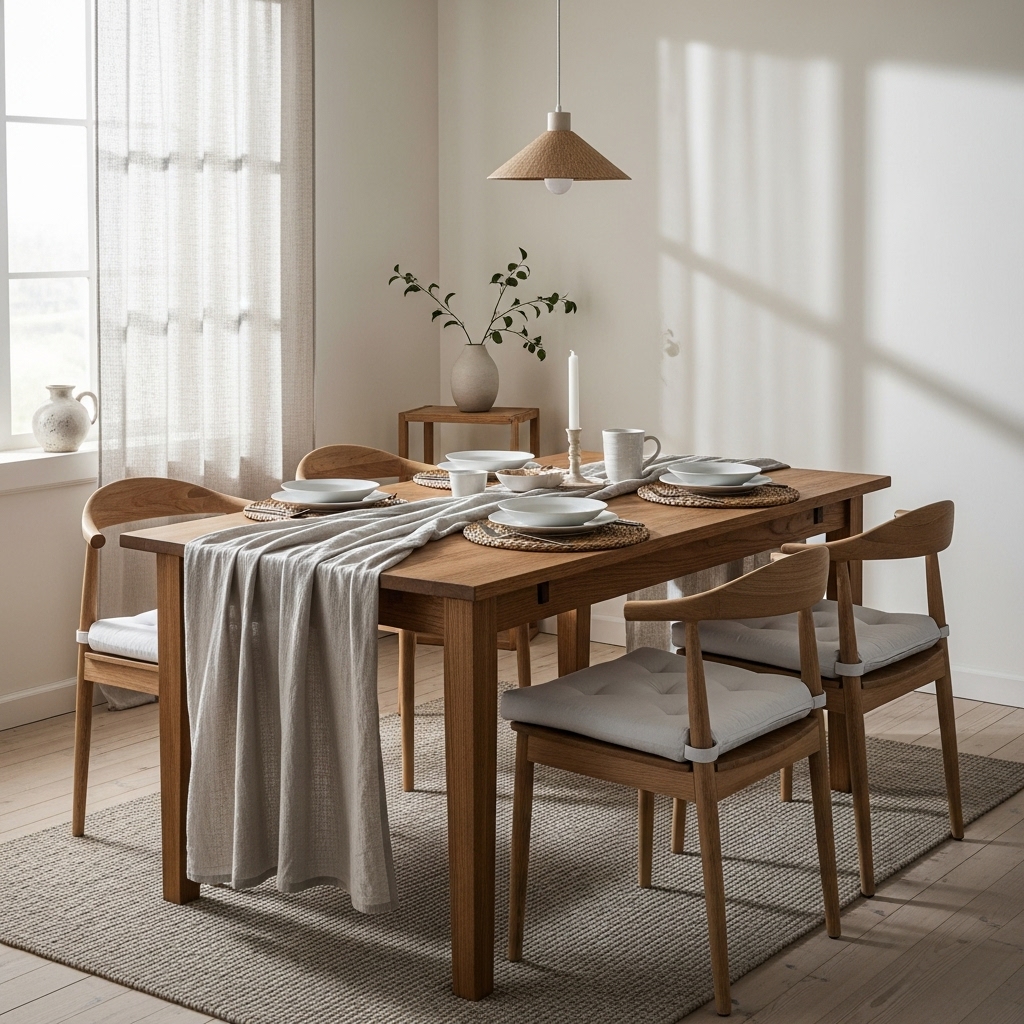
Hard surfaces dominate dining rooms, so textiles save the day.
I layer in linen table runners, cotton seat cushions, or woven placemats. These textures stop the room from feeling stiff.
Best Japandi textiles
- Linen
- Cotton
- Wool blends
Amazon product pick:
Linen Table Runner Neutral Tone
Subtle texture without stealing attention.
9. Plants That Feel Intentional, Not Jungle-Level
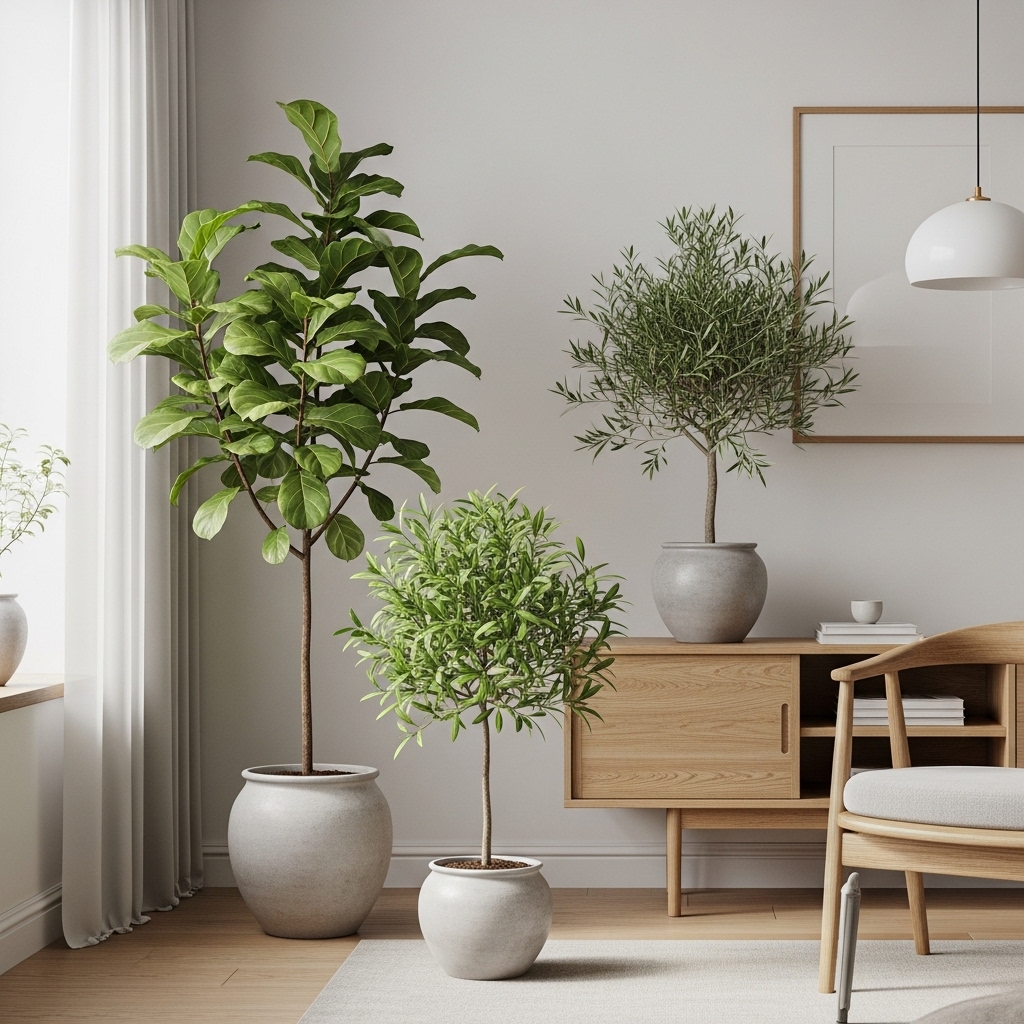
Plants belong in Japandi spaces, but restraint matters.
I choose one or two sculptural plants, not a full collection. A fiddle leaf fig or olive tree works beautifully.
Plant tips
- Stick to simple planters
- Use neutral ceramic or clay pots
- Skip fake greenery unless it looks very real
Amazon product pick:
Minimal Ceramic Plant Pot Set
Perfect for understated greenery.
10. Soft Wall Art With Meaning
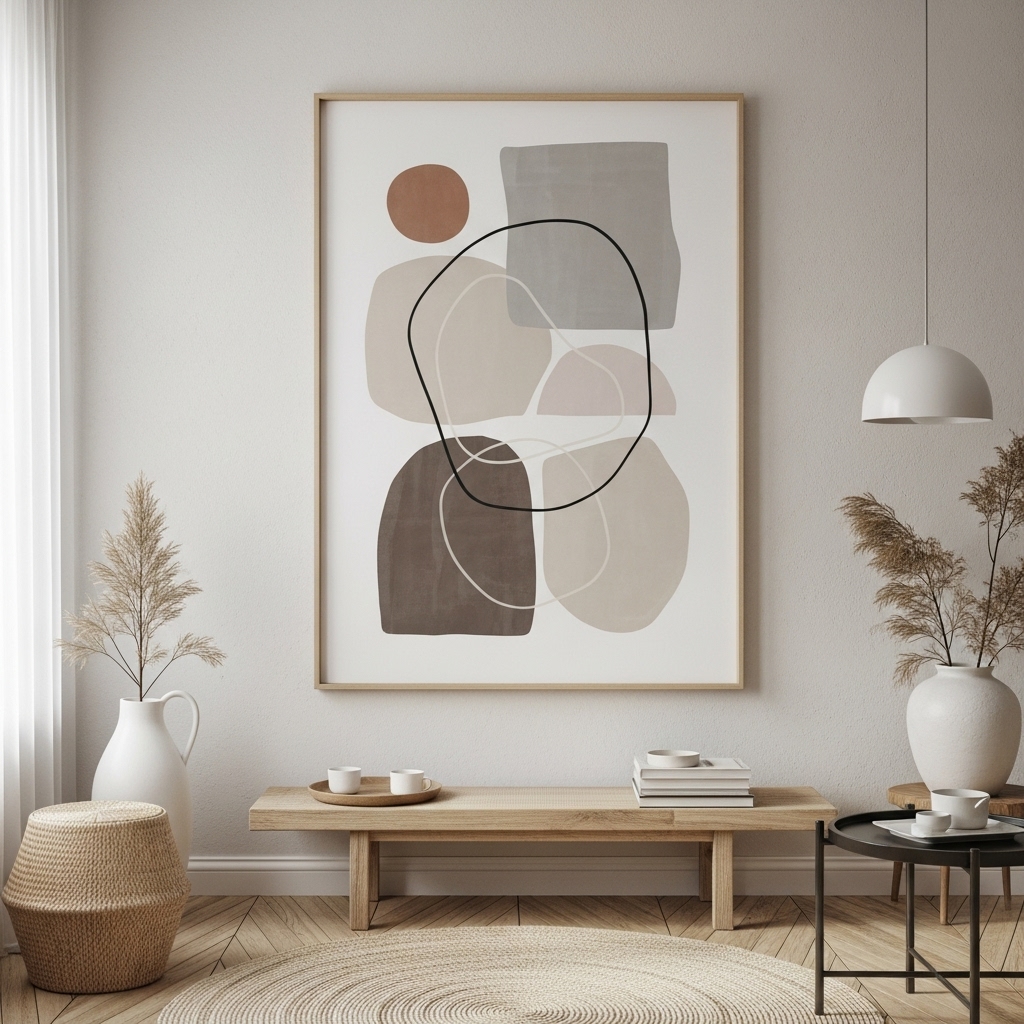
Japandi wall décor stays quiet and thoughtful.
I hang one large abstract print or Japanese-inspired artwork instead of gallery walls. It feels calmer and more intentional.
Art guidelines
- Neutral or muted tones
- Organic shapes
- Plenty of negative space
Amazon product pick:
Neutral Abstract Japandi Wall Art Print
Simple, calming, and easy to style.
11. Mixed Materials That Stay Balanced
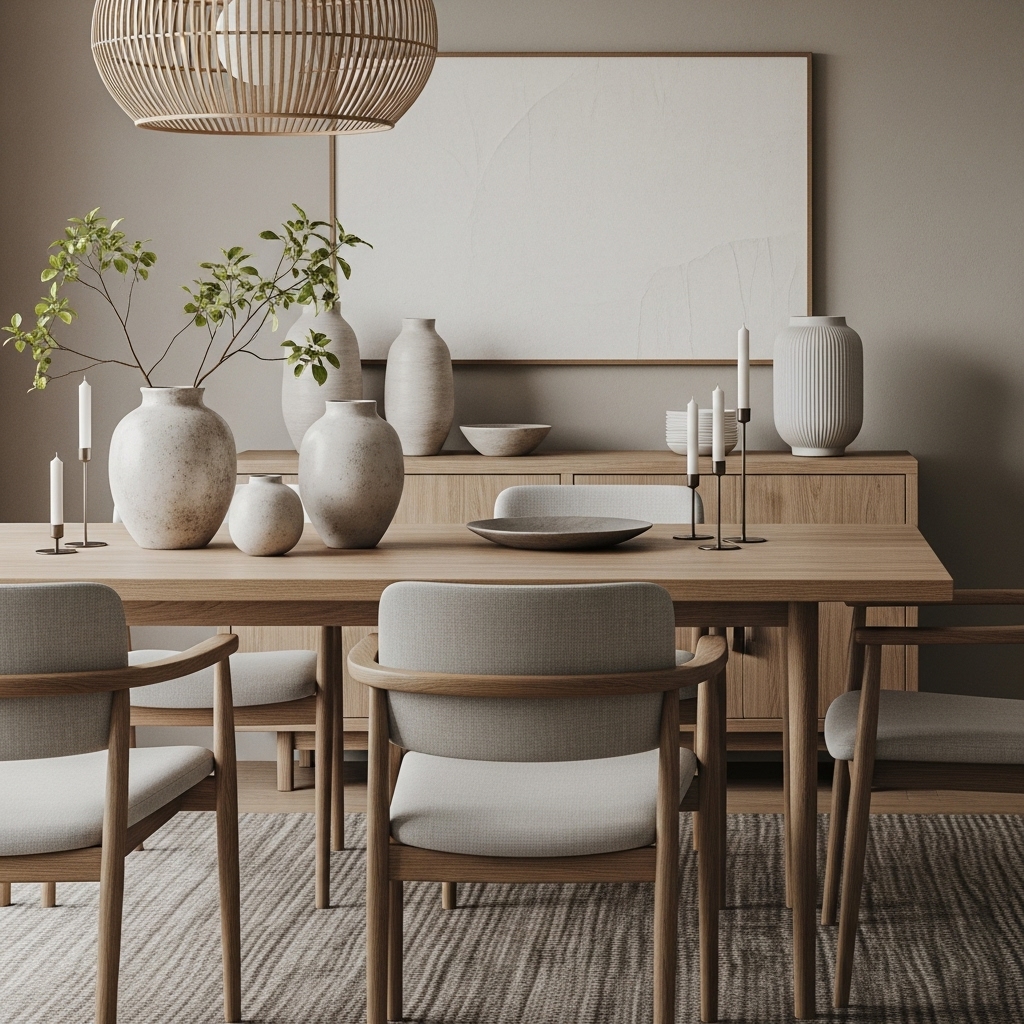
Japandi thrives on contrast. Wood meets ceramic. Fabric meets stone.
I mix wood tables with ceramic vases and linen chairs to keep the space interesting without chaos.
Material combos that work
- Wood + stone
- Linen + ceramic
- Bamboo + metal accents
FYI, balance matters more than matching everything perfectly 🙂
12. Cozy Lighting Layers for Evening Meals
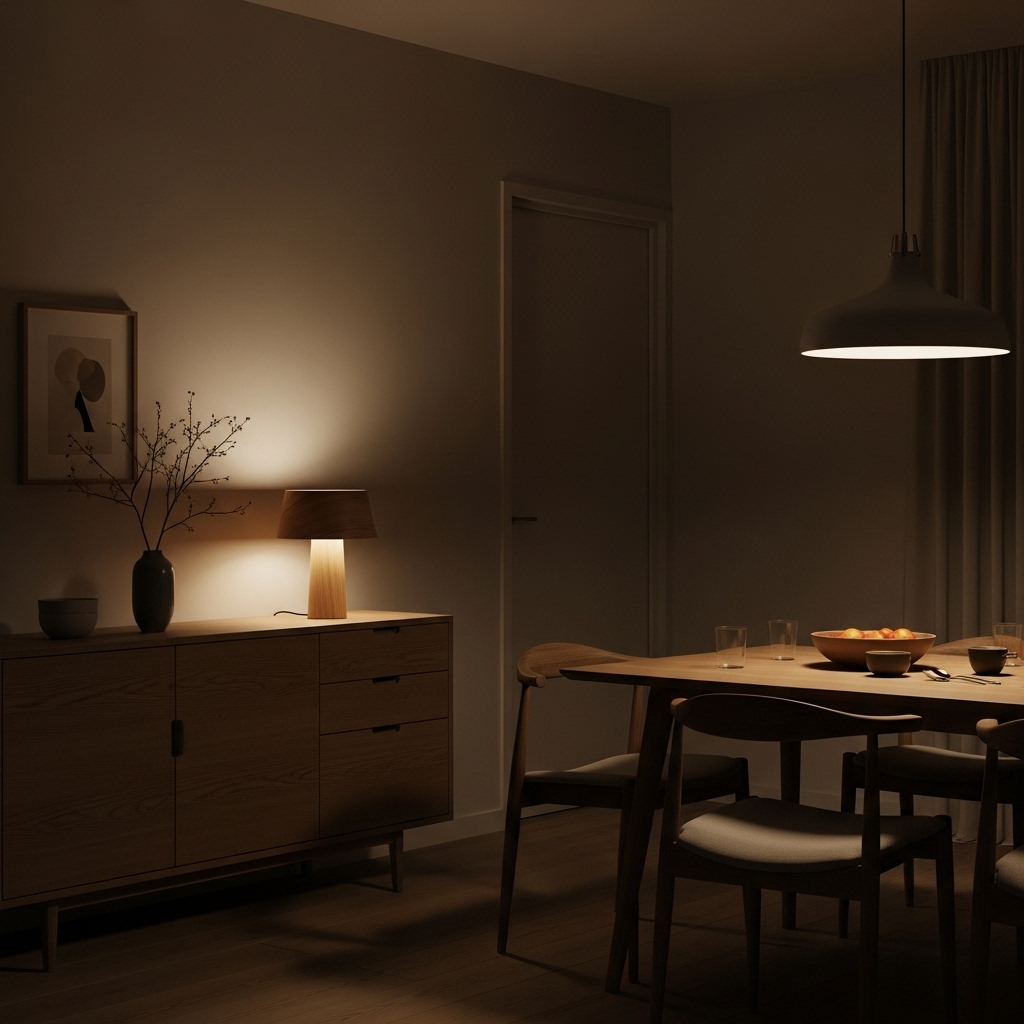
Overhead lighting alone feels harsh. Japandi dining rooms glow softly at night.
I add table lamps or wall sconces for layered lighting. Dinner feels calmer when the lighting relaxes too.
Layered lighting ideas
- Small lamp on sideboard
- Warm LED bulbs only
- Dimmer switches if possible
Amazon product pick:
Minimal Warm Table Lamp (Wood Base)
Soft light, cozy vibes, zero glare.
Why Japandi Dining Rooms Work So Well
Japandi dining rooms don’t try too hard. That’s the secret.
They blend Japanese simplicity with Scandinavian warmth, which creates spaces that feel lived-in and thoughtful. Meals slow down. Conversations last longer. Even leftovers taste better, somehow.
I love how Japandi removes visual noise without stripping away personality. That balance feels rare.
Quick Japandi Dining Room Checklist
Before you start shopping, run through this list:
- Do I have natural wood elements?
- Does my color palette feel soft and cohesive?
- Am I using fewer, better pieces?
- Does the lighting feel warm and layered?
If you answer yes to most of these, you’re on the right track.
Final Thoughts
Japandi dining rooms don’t chase trends. They create calm. That’s why they work.
You don’t need a full makeover. Start with one piece. Swap the lighting. Change the chairs. Add better textures. Small shifts make big differences.
So tell me, which idea are you stealing first? I won’t judge. I’ve copied all of them at some point :/