Your dog sees a brush and suddenly acts like you announced the end of civilization. Sound familiar?
Grooming at home feels intimidating at first, especially if you’re new to it. One wrong move and your pup gives you that look of betrayal.
The good news? You don’t need professional grooming skills to keep your dog clean, comfortable, and healthy.
These dog grooming tips for beginners keep things simple and help you avoid common mistakes. I learned some of these the hard way after trying to trim around a nervous dog’s paws once.
Let’s just say… we both needed a break afterward.
1. Start Grooming Early and Keep Sessions Short
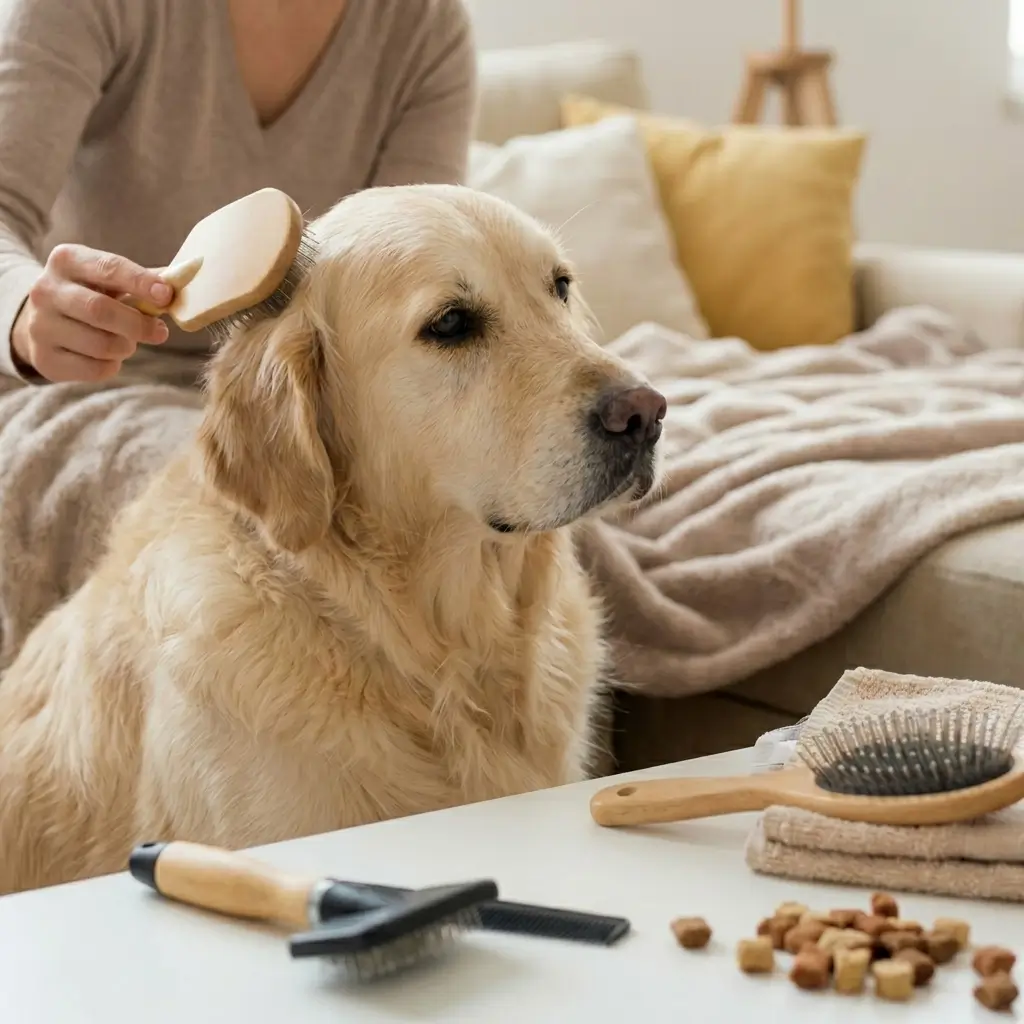
Dogs adjust faster when you introduce grooming young. Puppies usually accept brushing and nail checks more easily than older dogs.
If you have an older dog, don’t panic. Start with 5–10 minute sessions and slowly build comfort.
Why this helps:
- Reduces fear over time
- Builds trust
- Makes future grooming easier
Amazon product idea: Dog grooming starter kit with brush, comb, and nail clipper
2. Choose the Right Brush for Your Dog’s Coat
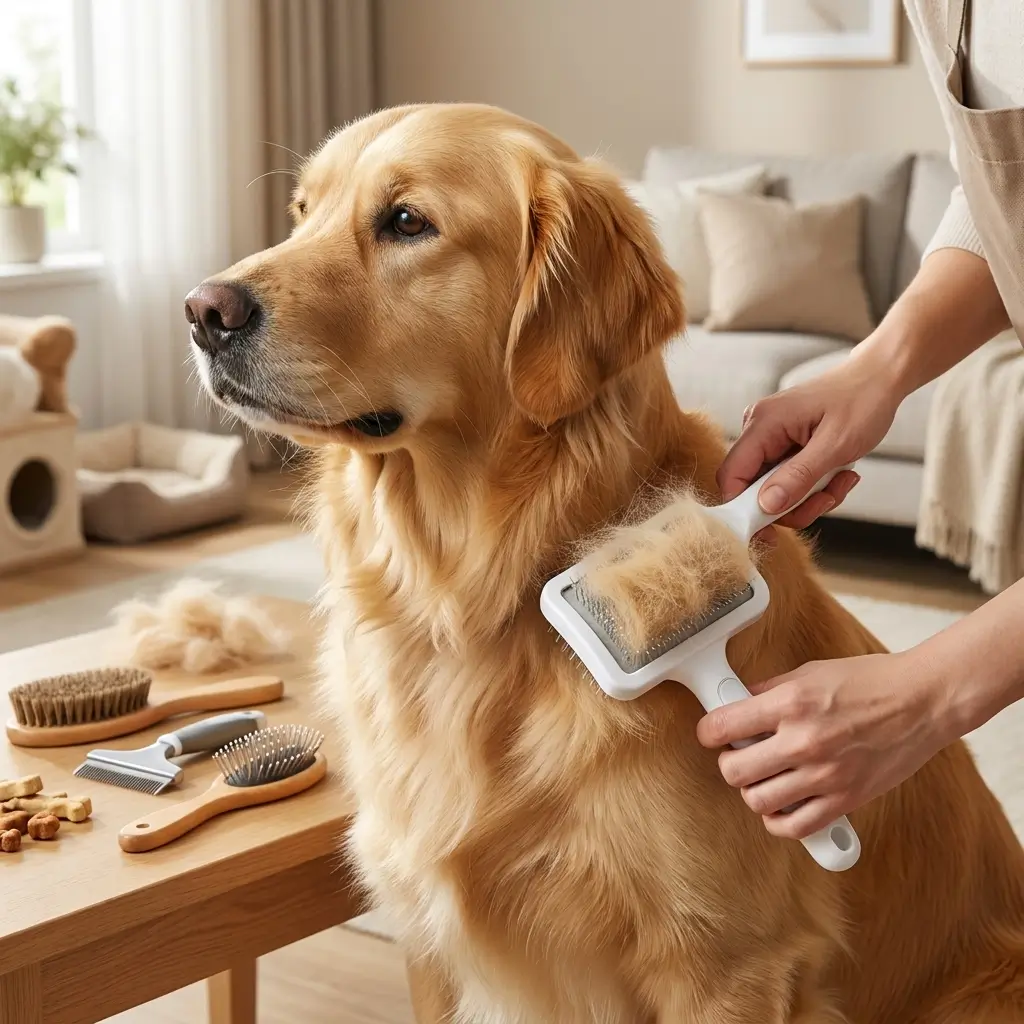
Not every brush works for every dog. Using the wrong brush feels like cleaning a carpet with a spoon.
Brush guide:
- Slicker brush: Long-haired breeds
- Bristle brush: Short-haired breeds
- Deshedding tool: Heavy shedders
- Pin brush: Curly coats
Ever wondered why grooming feels ineffective sometimes? The brush often causes the problem.
Amazon product idea: Self-cleaning slicker brush
3. Brush Before Bath Time
I used to think bathing first made sense. Nope.
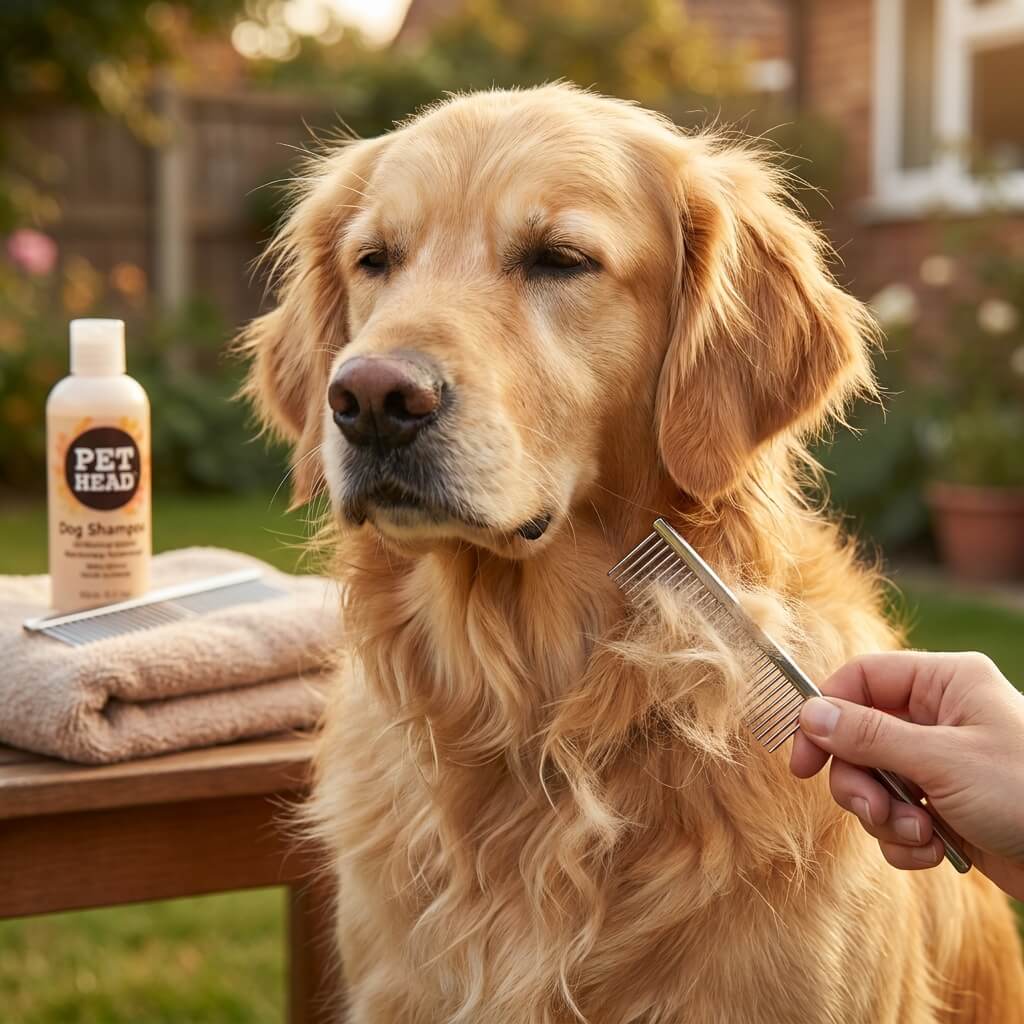
Brushing before bathing removes tangles and loose fur. Wet mats tighten and become harder to remove.
Key takeaway: Always brush first.
Amazon product idea: Stainless steel dog comb
4. Use Dog Shampoo Only
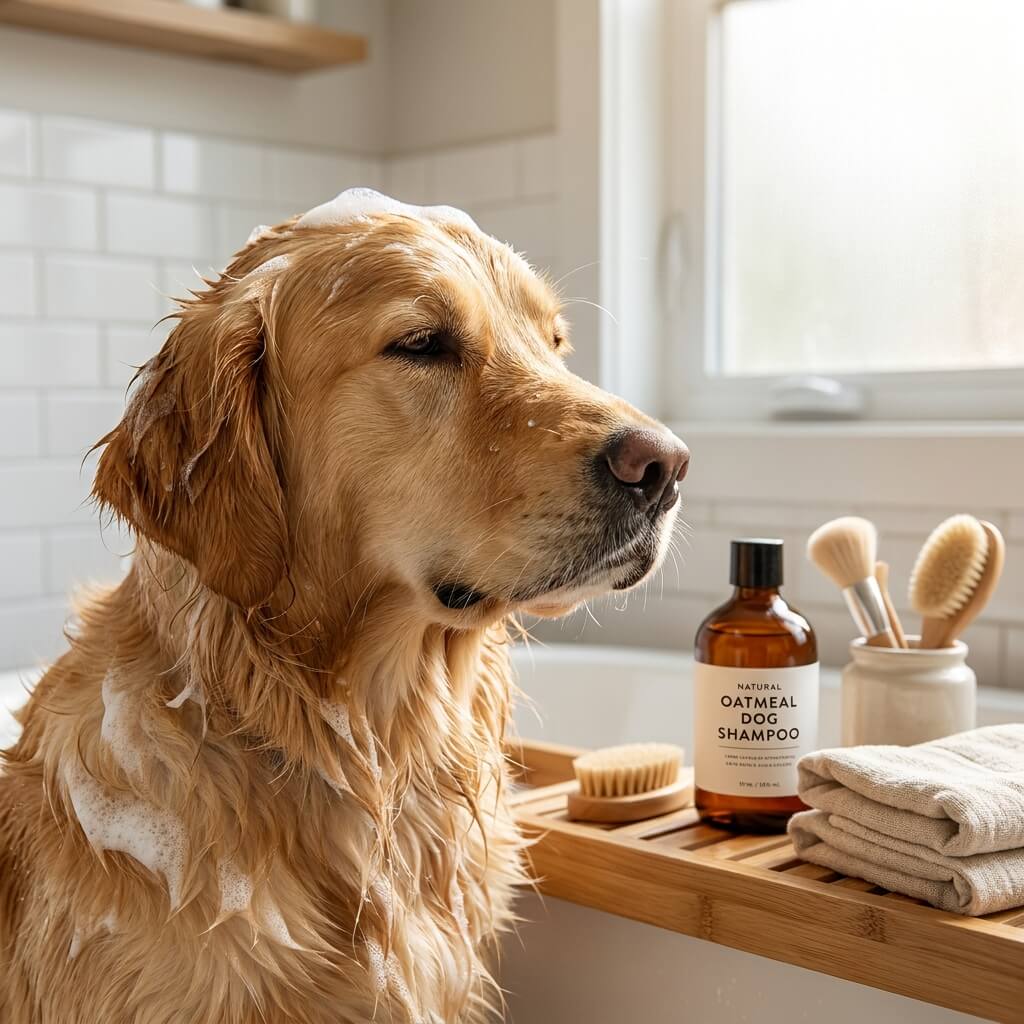
Human shampoo irritates dog skin because dogs have different pH levels.
Your expensive floral shampoo might smell amazing, but your dog disagrees. Strongly.
Look for:
- Oatmeal formulas
- Sensitive skin shampoo
- Hypoallergenic options
Amazon product idea: Oatmeal dog shampoo
5. Check Ears Weekly
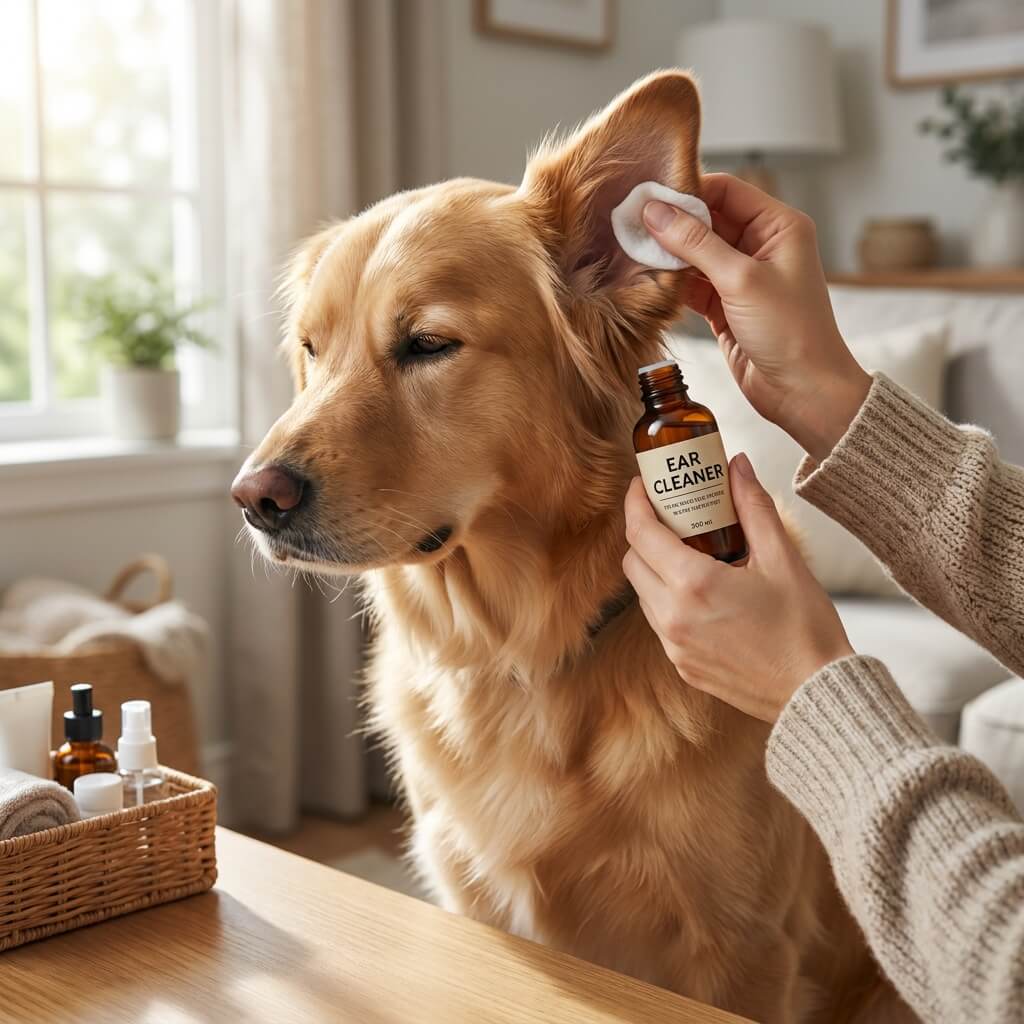
Healthy ears matter more than many beginners realize.
Watch for:
- Bad smell
- Redness
- Excess wax
- Scratching
Dogs hide discomfort surprisingly well.
Cleaning tip:
Use a vet-approved ear cleaner and cotton pad. Never push anything deep inside.
Amazon product idea: Dog ear cleaning solution
6. Trim Nails Regularly
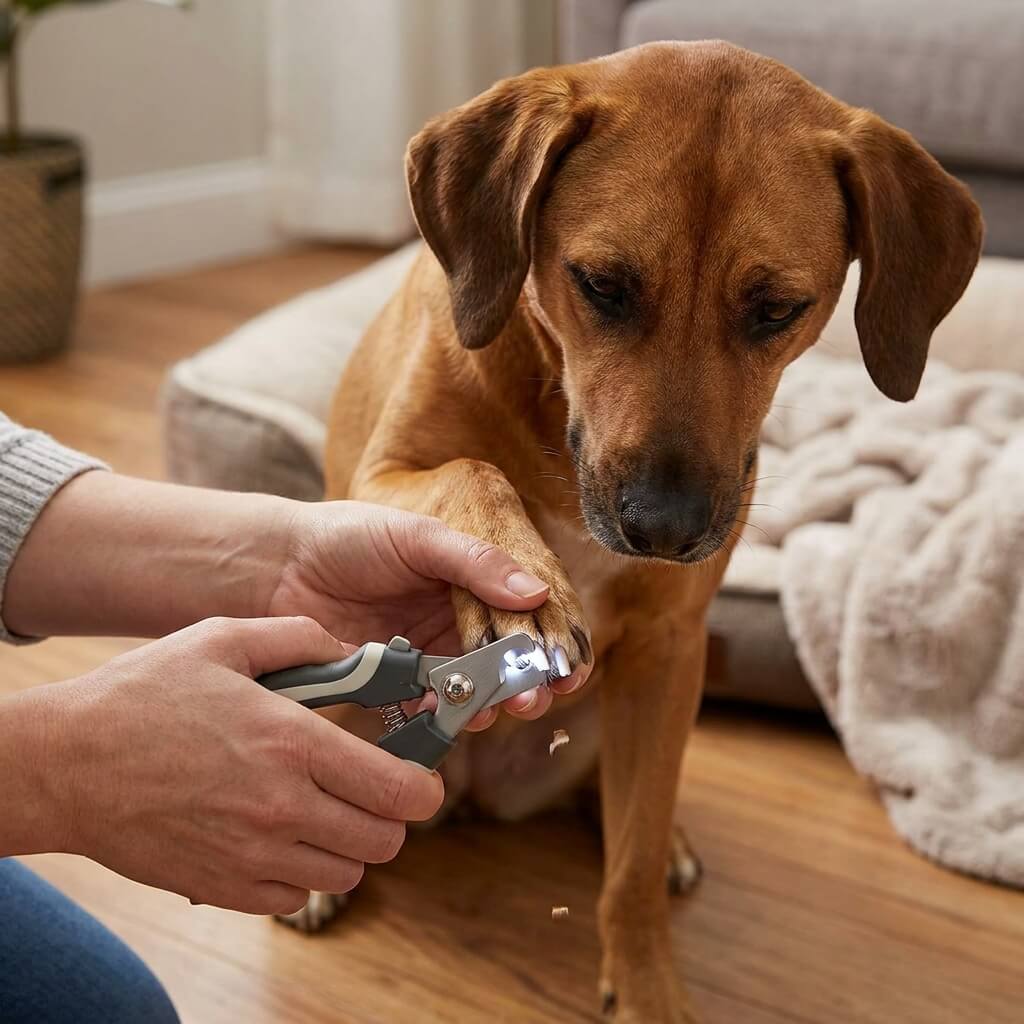
Long nails affect walking posture and comfort.
I avoided nail trimming once because I felt nervous. My dog’s nails clicked loudly on the floor for weeks. Not my proudest moment.
Beginner tip:
Trim tiny amounts instead of large cuts.
Amazon product idea: LED dog nail clipper
7. Reward Good Behavior Immediately
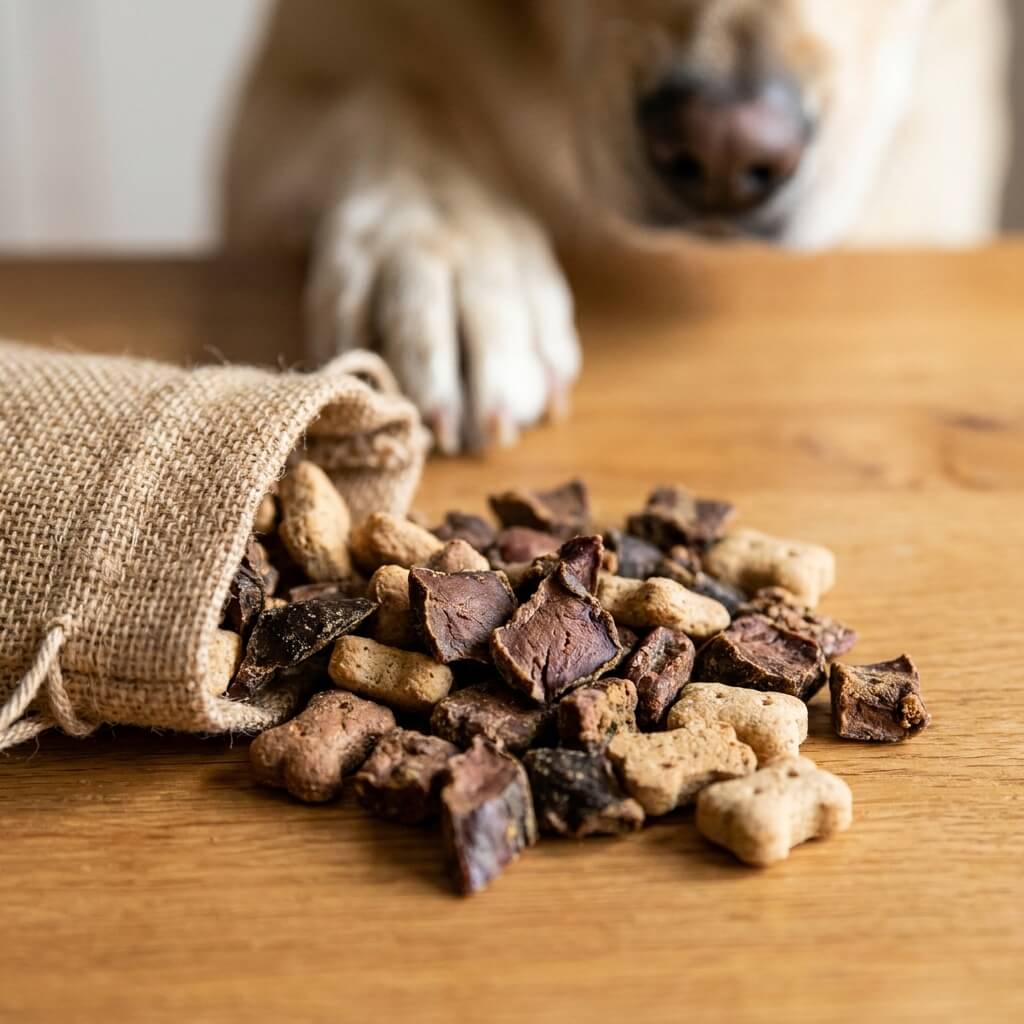
Treats solve many problems. Dogs negotiate differently than humans.
After brushing or nail trimming:
- Give praise
- Offer treats
- Stay calm
Positive experiences build cooperation over time.
FYI, snacks motivate almost everyone. Dogs included 🙂
Amazon product idea: Training treats for dogs
8. Learn Your Dog’s Coat Type
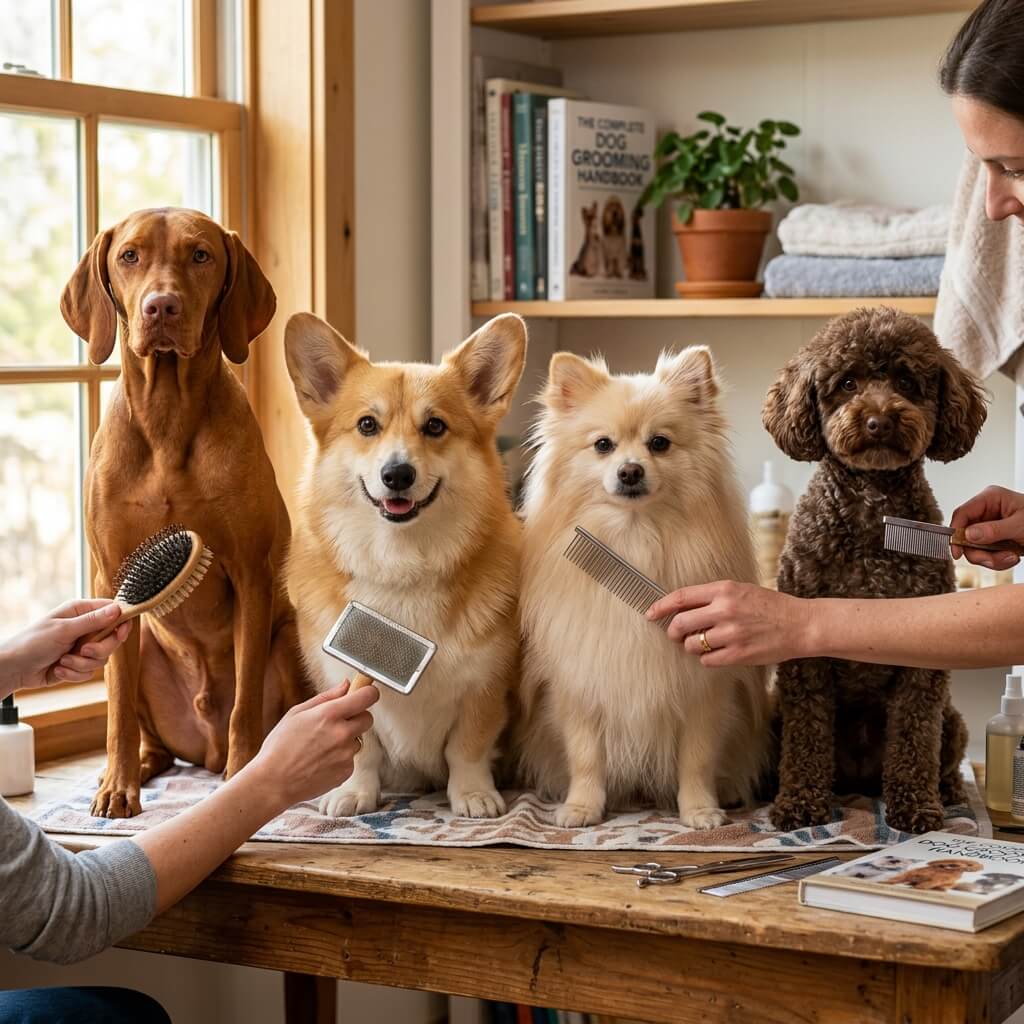
Different coats need different care schedules.
Rough grooming frequency guide:
Short coat dogs
- Brush weekly
Medium coat dogs
- Brush 2–3 times weekly
Long coat dogs
- Brush daily
Curly coat dogs
- Frequent grooming and trims
Understanding coat type prevents mats and excess shedding.
Amazon product idea: Dog grooming handbook
9. Dry Your Dog Properly After Baths
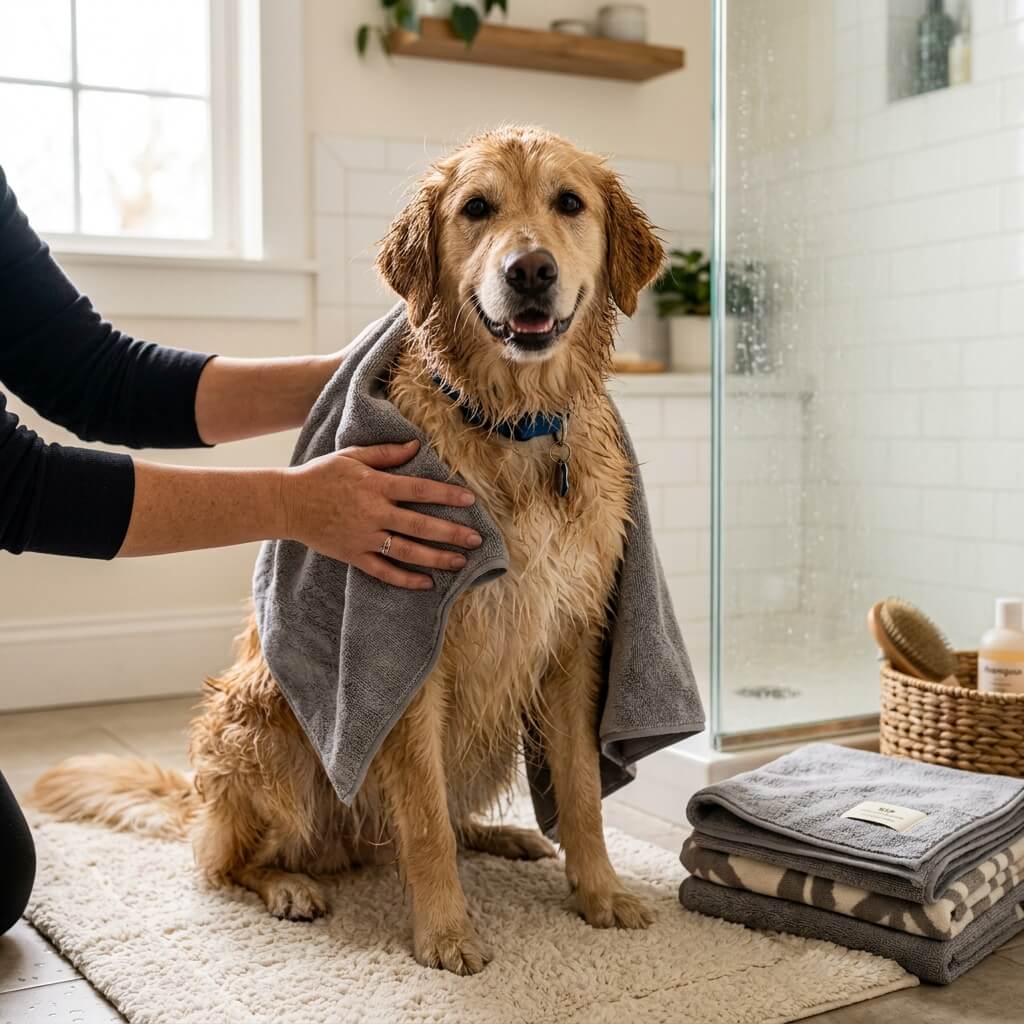
Leaving moisture trapped causes irritation.
Use:
- Microfiber towel
- Pet dryer on low setting
- Gentle towel drying
Ever smelled damp dog fur after two days? Exactly.
Amazon product idea: Absorbent dog towel set
10. Clean Around the Eyes Carefully
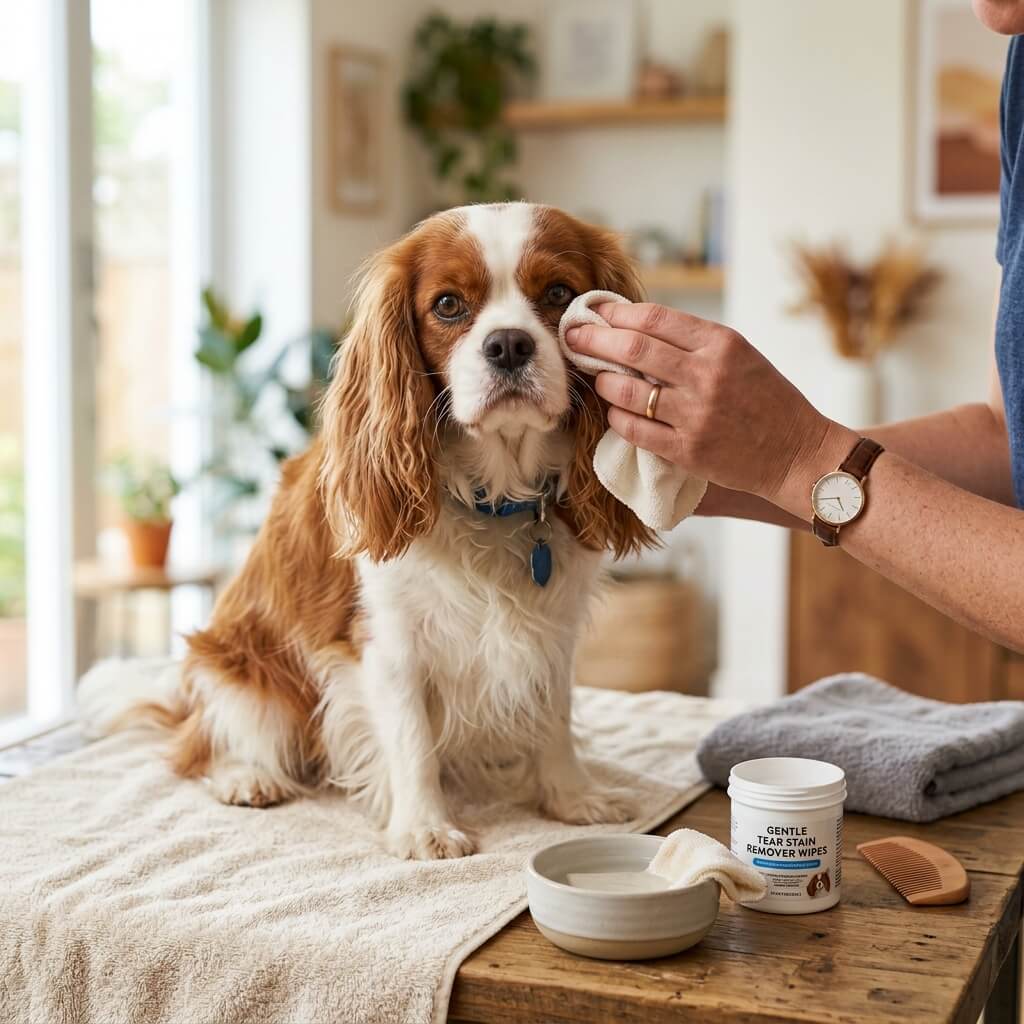
Tear stains build up around eyes in some breeds.
Use:
- Warm damp cloth
- Gentle wiping motion
- Pet-safe stain remover if needed
Never scrub aggressively.
Amazon product idea: Tear stain remover wipes
11. Watch for Mats and Tangles
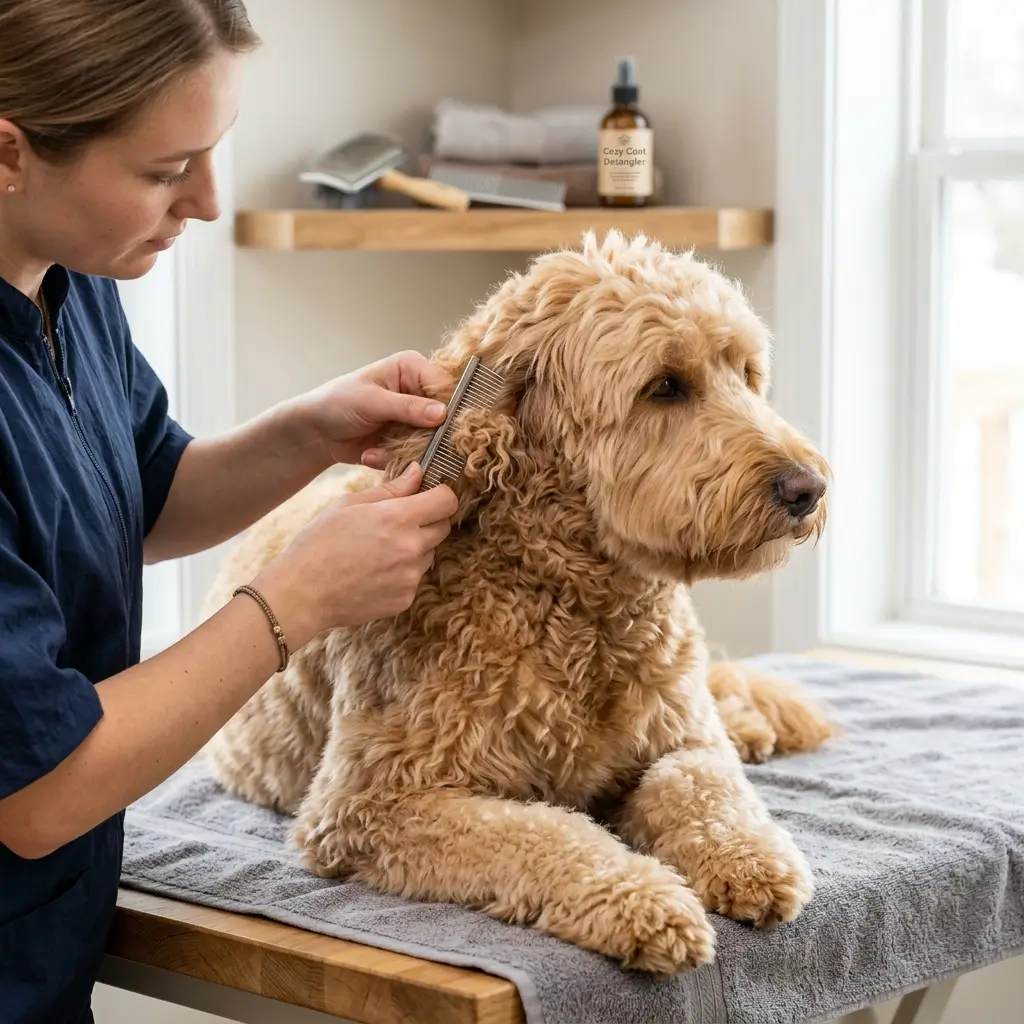
Mats pull skin and cause discomfort.
Common problem areas:
- Behind ears
- Under legs
- Around collar
- Tail area
Regular brushing prevents bigger problems later.
IMO, preventing mats beats removing them every time.
Amazon product idea: Dematting comb
12. Introduce Grooming Tools Slowly
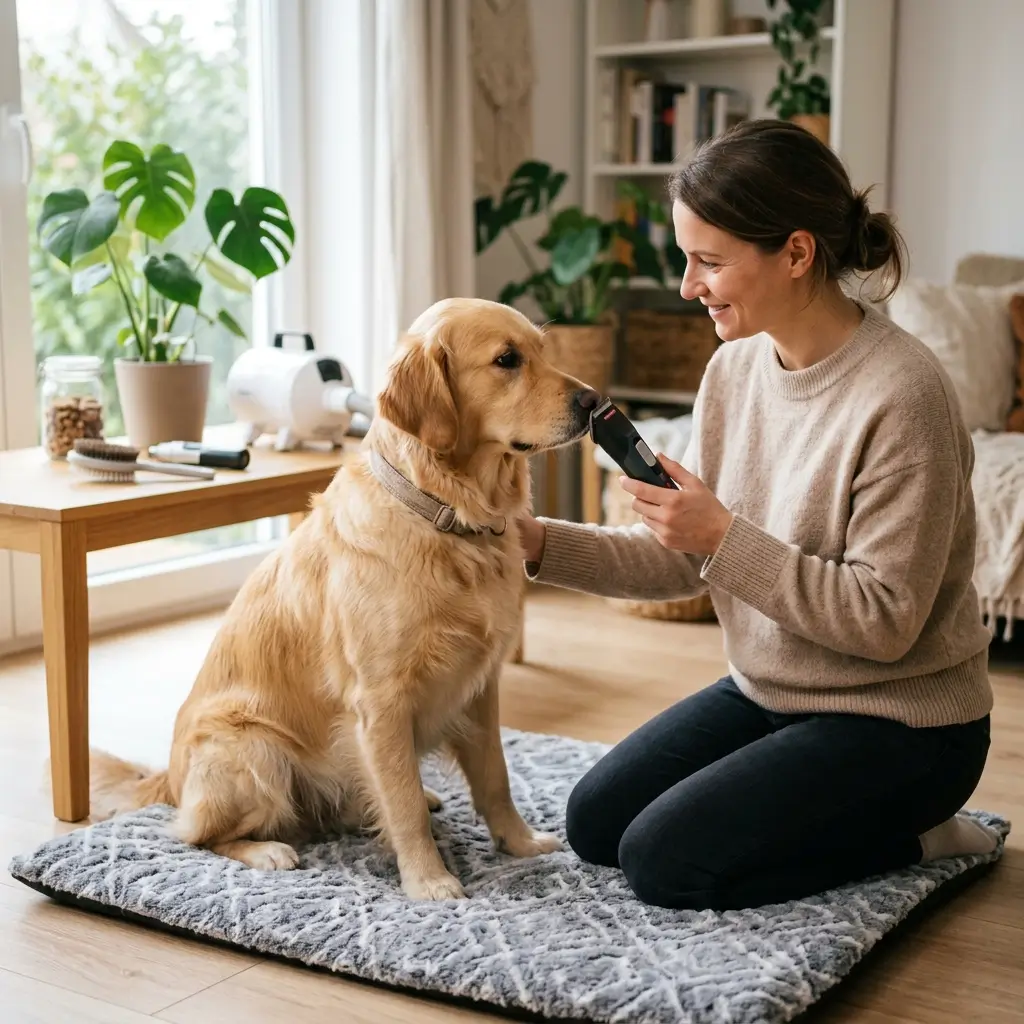
Don’t suddenly turn on loud clippers near your dog and expect enthusiasm.
Many dogs fear:
- Clippers
- Dryers
- Nail grinders
Let your dog sniff tools first. Build familiarity gradually.
Amazon product idea: Quiet electric dog clippers
13. Keep Teeth Cleaning in Your Routine
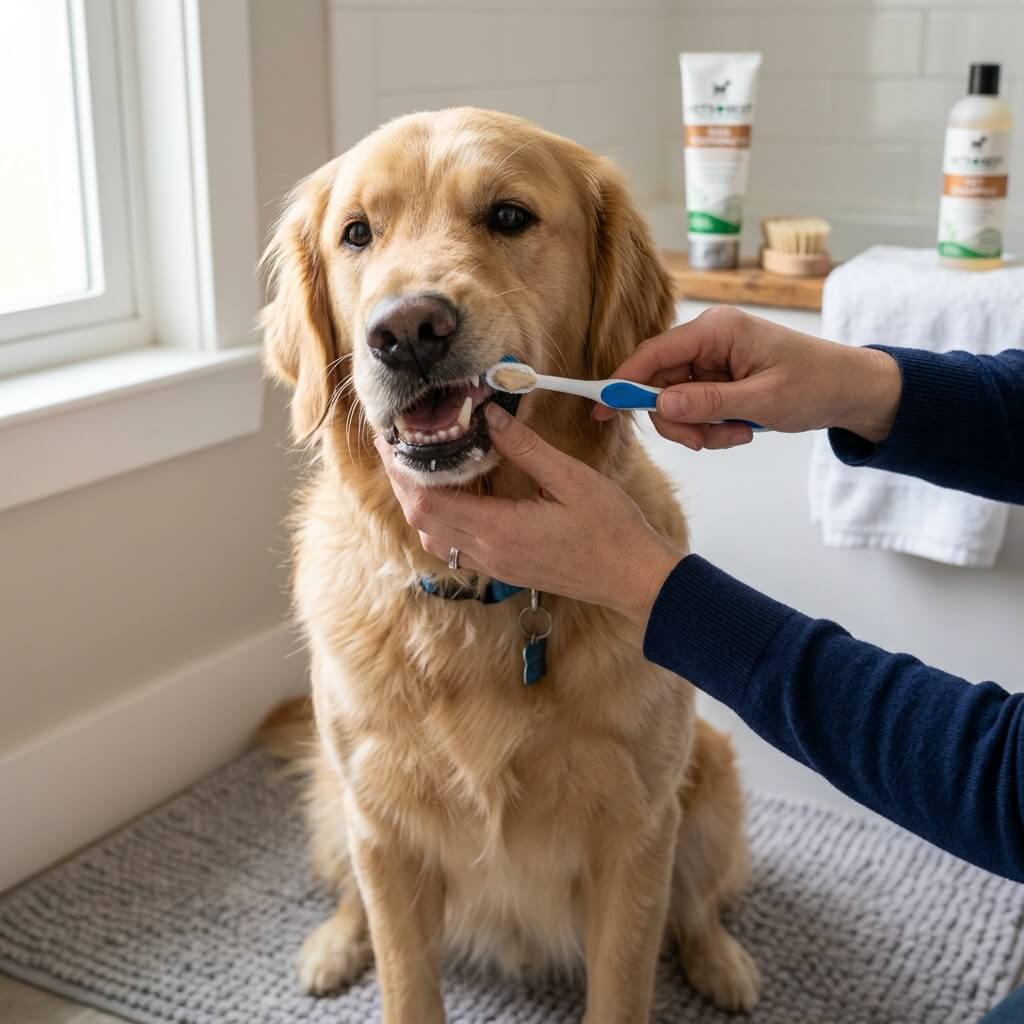
Dental care often gets ignored.
Bad dental hygiene leads to:
- Bad breath
- Gum problems
- Tooth loss
Brush dog teeth several times weekly.
Yes, your dog may dislike it initially. They also dislike baths and still need them.
Amazon product idea: Dog toothbrush and toothpaste set
14. Groom According to Season
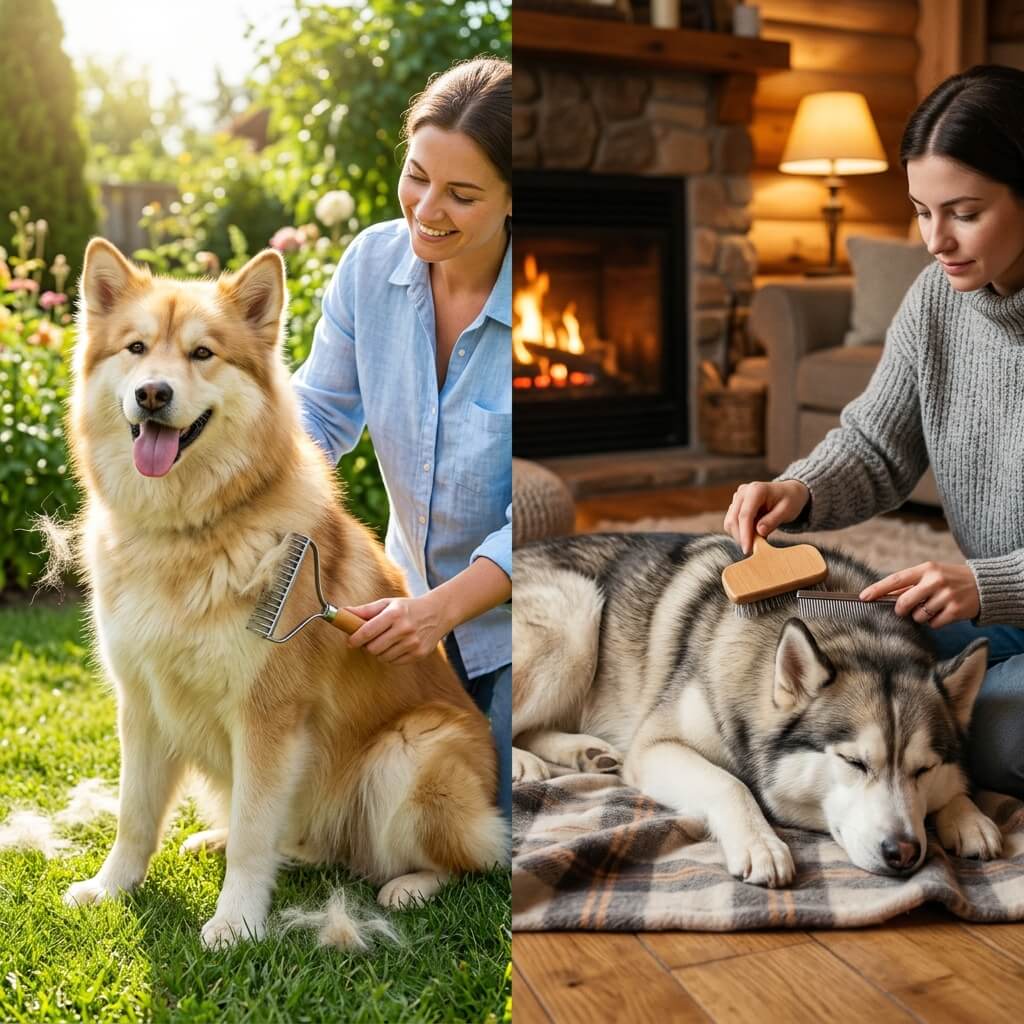
Summer grooming needs differ from winter grooming.
Summer:
Focus on shedding and cooling
Winter:
Protect coat thickness and skin moisture
Never shave double-coated breeds completely unless a professional advises it.
That fluffy coat often protects more than people realize.
Amazon product idea: Deshedding grooming rake
15. Know When to Visit a Professional Groomer
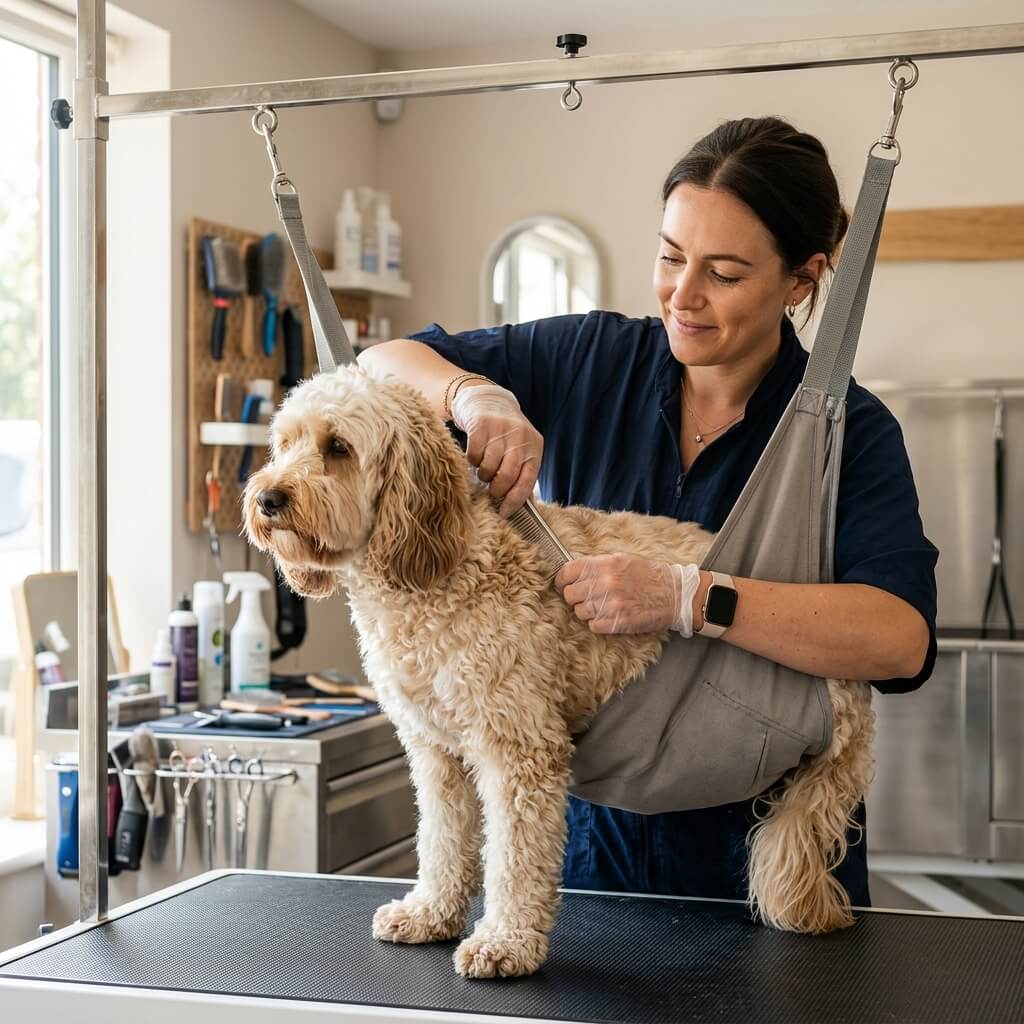
Home grooming helps, but professionals handle difficult coats or complicated trims better.
Seek help if your dog has:
- Severe mats
- Skin issues
- Anxiety during grooming
- Breed-specific cuts
Asking for help doesn’t mean failure. It means smart decision-making.
Amazon product idea: Portable pet grooming hammock for safer handling
Common Beginner Grooming Mistakes to Avoid
New groomers often make the same errors.
Avoid these:
❌ Bathing before brushing
❌ Cutting nails too short
❌ Using human shampoo
❌ Ignoring ears and teeth
❌ Rushing grooming sessions
Small changes improve results fast.
FAQs About Dog Grooming Tips for Beginners
How often should beginners groom their dogs?
Most dogs benefit from weekly brushing and monthly bathing, though coat type changes the schedule.
Can I groom my dog at home completely?
Yes. Many owners handle basic grooming successfully. Professional help works best for advanced trims or difficult coats.
What grooming tool should beginners buy first?
Start with:
- Brush
- Nail clipper
- Dog shampoo
- Comb
- Towel
Simple kits reduce overwhelm.
How do I calm an anxious dog during grooming?
Use treats, shorter sessions, praise, and patience. Consistency matters more than speed.
One Amazon Worthy Product
Complete Dog Grooming Kit with Clippers, Brush Set, Nail Trimmer, and Storage Case
This type of bundle appeals to beginners because it removes guesswork. People love convenience, especially when learning dog grooming for the first time.
Final Thoughts
Learning dog grooming tips for beginners takes practice. You’ll mess up occasionally.
Most dog owners do. The goal isn’t perfection. The goal is keeping your dog healthy, comfortable, and used to the process.
Start small. Stay patient. Reward often.
And remember: if your dog stares at you dramatically during grooming, they’ll probably forgive you five minutes later… especially if treats appear. 🙂