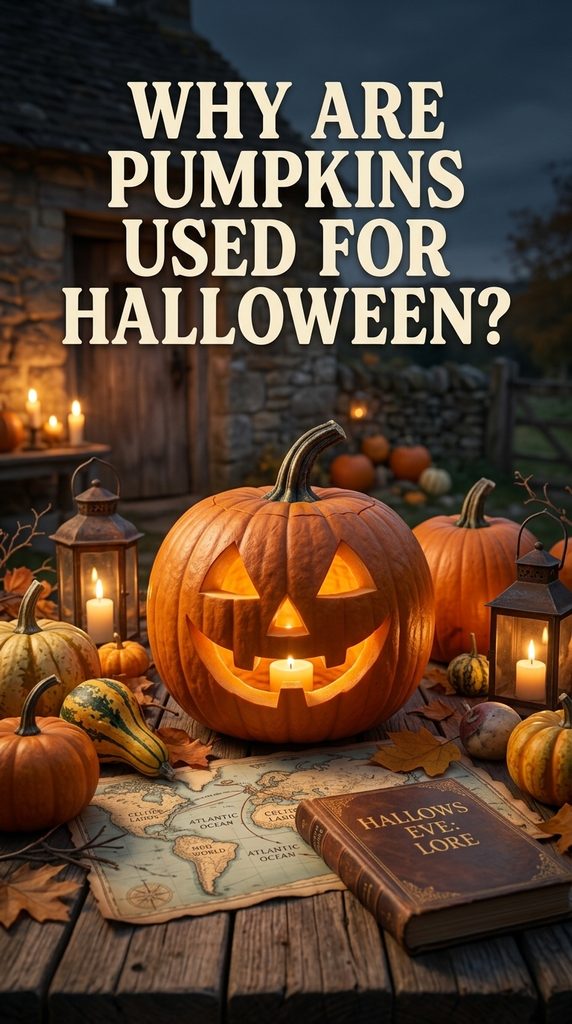
Every October, pumpkins suddenly appear everywhere.
Porches glow with jack-o’-lanterns, grocery stores pile them high, and people spend an impressive amount of time deciding which pumpkin has the “perfect” face.
But why are pumpkins used for Halloween in the first place? Was someone centuries ago simply staring at a pumpkin and thinking, “Yep, that would look creepy with a face”? Not quite.
The tradition has a surprisingly interesting history involving ancient Celtic customs, folklore, turnips, Irish immigrants, and eventually the humble pumpkin.
If you’ve ever wondered why pumpkins are associated with Halloween, you’re in the right place.
Let’s look at where the tradition started, why people carved vegetables, and how pumpkins became the Halloween symbol we know today.
1. The Halloween Pumpkin Tradition Started With an Older Celtic Custom
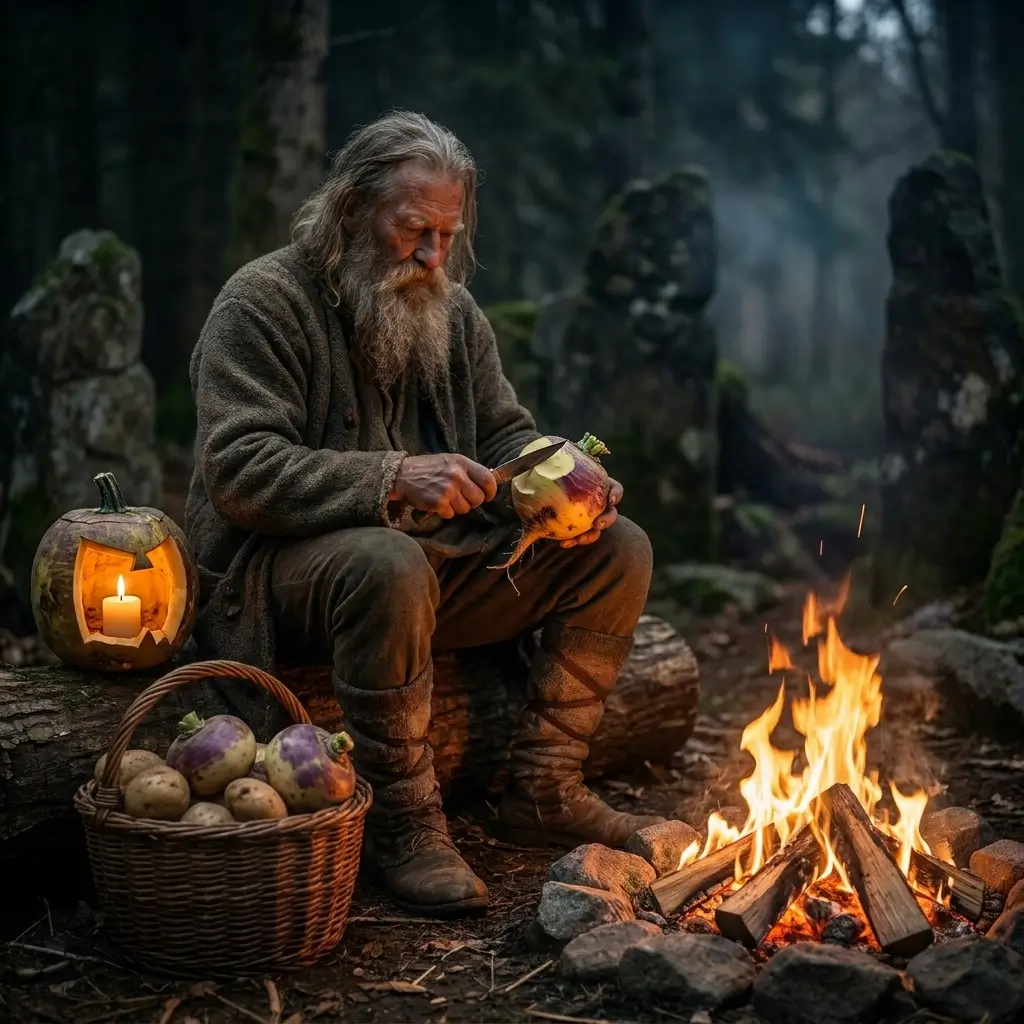
The connection between pumpkins and Halloween actually goes back much further than the modern Halloween celebration.
Many historians connect Halloween traditions to Samhain, an ancient Celtic festival that marked the transition from the harvest season into winter.
People celebrated Samhain around the end of October and viewed the period as a special time when the boundary between the living world and the spirit world seemed especially thin.
People gathered, lit fires, celebrated the harvest, and followed various protective customs.
So where did carved vegetables enter the story?
People in Ireland and Scotland developed traditions of carving turnips, potatoes, and other root vegetables into lanterns. They sometimes placed lights inside these carved vegetables.
The lanterns served practical and folkloric purposes. People used them to illuminate paths and incorporated them into traditions connected with spirits and supernatural beliefs.
Pumpkins came much later.
And honestly, once you compare a pumpkin with a turnip, the pumpkin starts looking like it was born for the job. 🙂
Why Did People Carve Vegetables?
People didn’t carve vegetables simply because they enjoyed making spooky decorations.
Folklore associated carved lanterns with supernatural stories and protective customs.
Some traditions involved frightening away unwanted spirits, while others connected carved lanterns with wandering souls.
The exact meaning varied between communities and changed over time.
Still, one idea remained important: the carved lantern became strongly connected with Halloween traditions.
2. Why Did Pumpkins Replace Turnips?
Here’s where the story gets especially interesting.
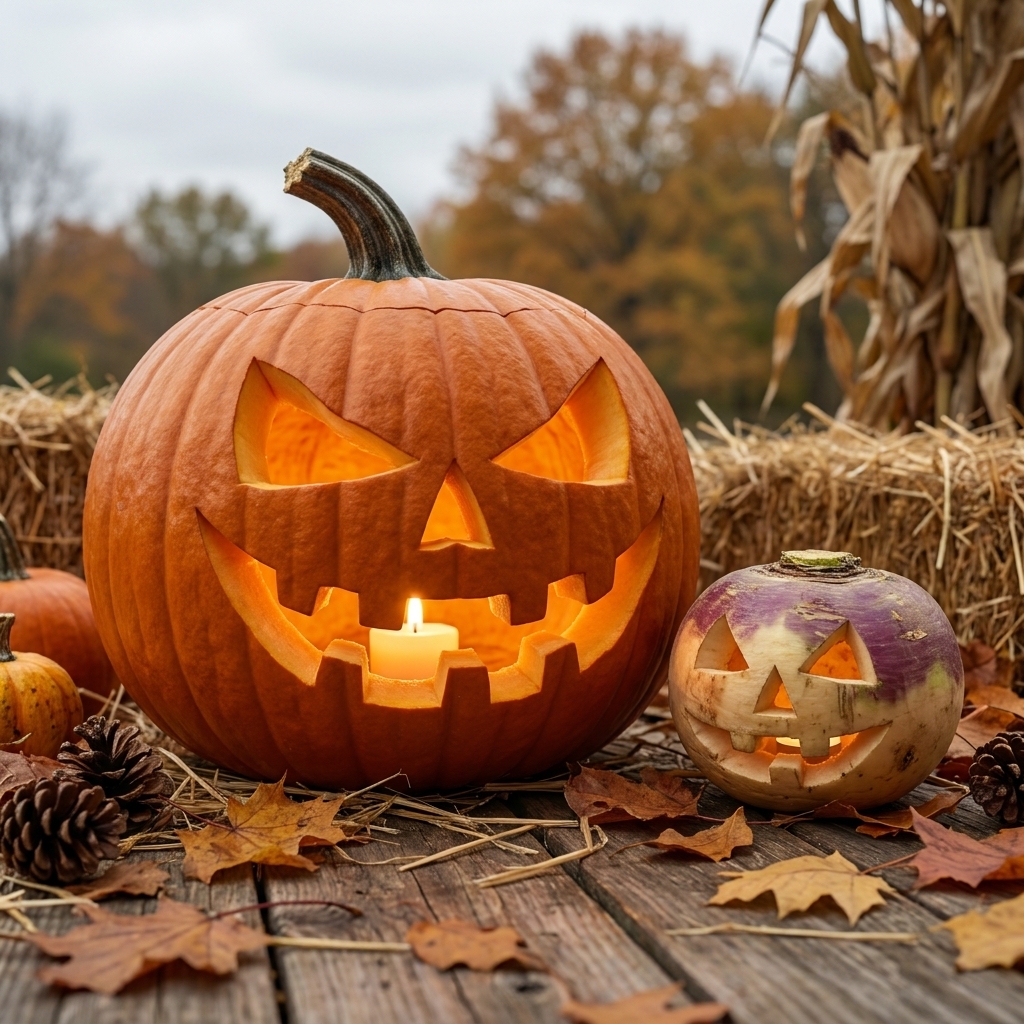
When Irish and Scottish immigrants moved to North America, they brought many Halloween traditions with them. They continued carving vegetables into lanterns, but they soon encountered a vegetable that offered a much better canvas: the pumpkin.
Pumpkins grew widely in North America and offered several advantages over turnips.
Pumpkins Made Better Jack-o’-Lanterns
Think about carving a hard turnip compared with carving a large pumpkin.
The difference matters.
Pumpkins have:
- A larger surface area for carving faces
- A softer interior that makes carving easier
- A naturally hollow center
- A bright orange color that looks dramatic at night
- A round shape that works well for decorative faces
- Easy availability during the autumn harvest
So why did people keep fighting with tiny, stubborn turnips when pumpkins offered a much easier option?
Exactly.
Over time, pumpkin carving became more popular in North America, and the pumpkin gradually replaced the traditional carved turnip as the Halloween lantern.
3. How Did the Jack-o’-Lantern Get Its Name?
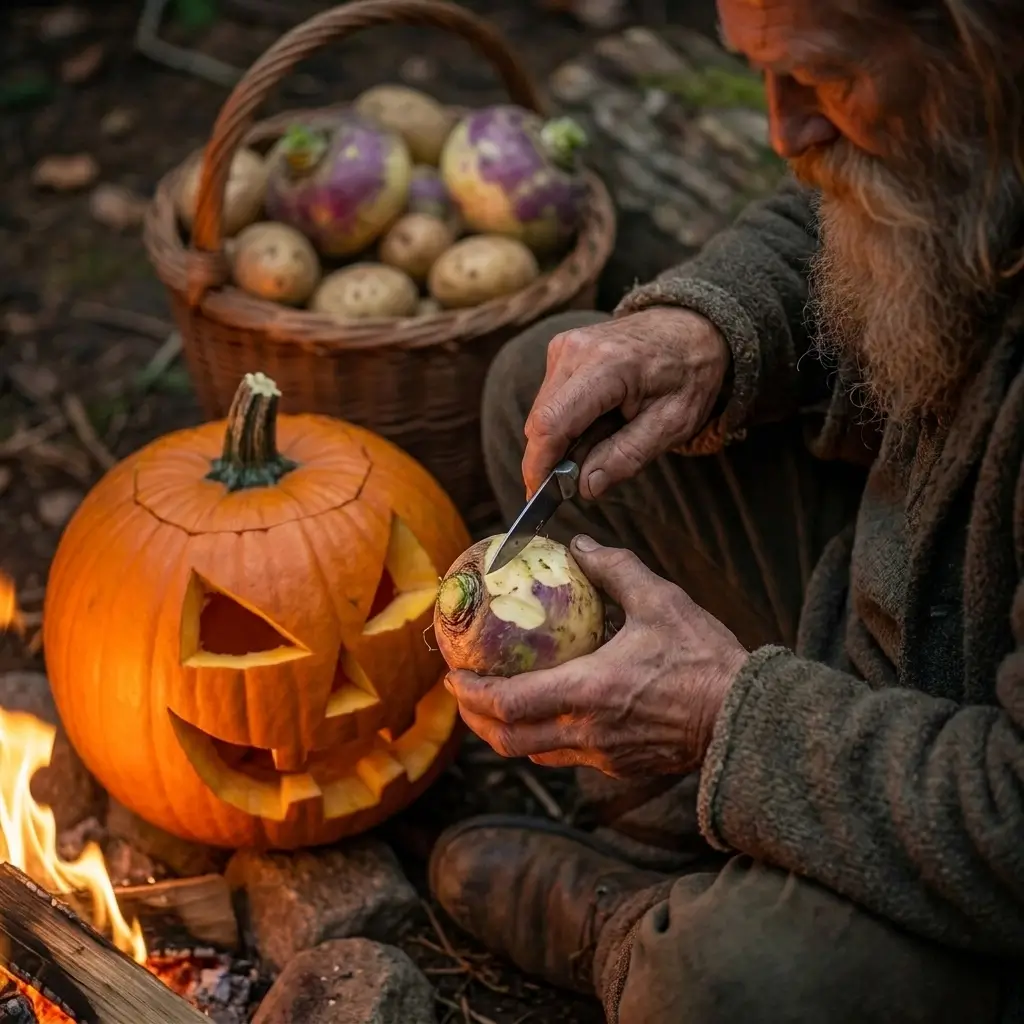
The phrase “jack-o’-lantern” has its own folklore attached to it.
One popular Irish tale tells the story of a man named Stingy Jack, who supposedly tricked the Devil and later found himself unable to enter either Heaven or Hell.
According to the legend, Jack wandered the darkness with only a burning coal inside a carved vegetable to light his way.
People supposedly referred to him as “Jack of the Lantern,” which eventually became “jack-o’-lantern.”
The story exists in several versions, so historians don’t treat every detail as proven history. Still, the legend helped strengthen the association between carved lanterns and Halloween folklore.
Stingy Jack and the Carved Lantern
The story became especially useful because it gave people a memorable explanation for a strange-looking tradition.
Why would someone carry a glowing vegetable?
Why would people carve scary faces into vegetables?
A spooky folk story certainly makes the tradition easier to remember.
The jack-o’-lantern eventually became one of Halloween’s most recognizable symbols.
4. Why Do Halloween Pumpkins Have Scary Faces?
Now we get to the fun part.
Why carve a pumpkin at all, and why give it a face that looks like it hasn’t slept since 1847?
Traditional folklore associated carved lanterns with supernatural beings and protective practices. Frightening faces could help create an intimidating appearance.
Over time, the scary face became less about protection and more about Halloween entertainment and decoration.
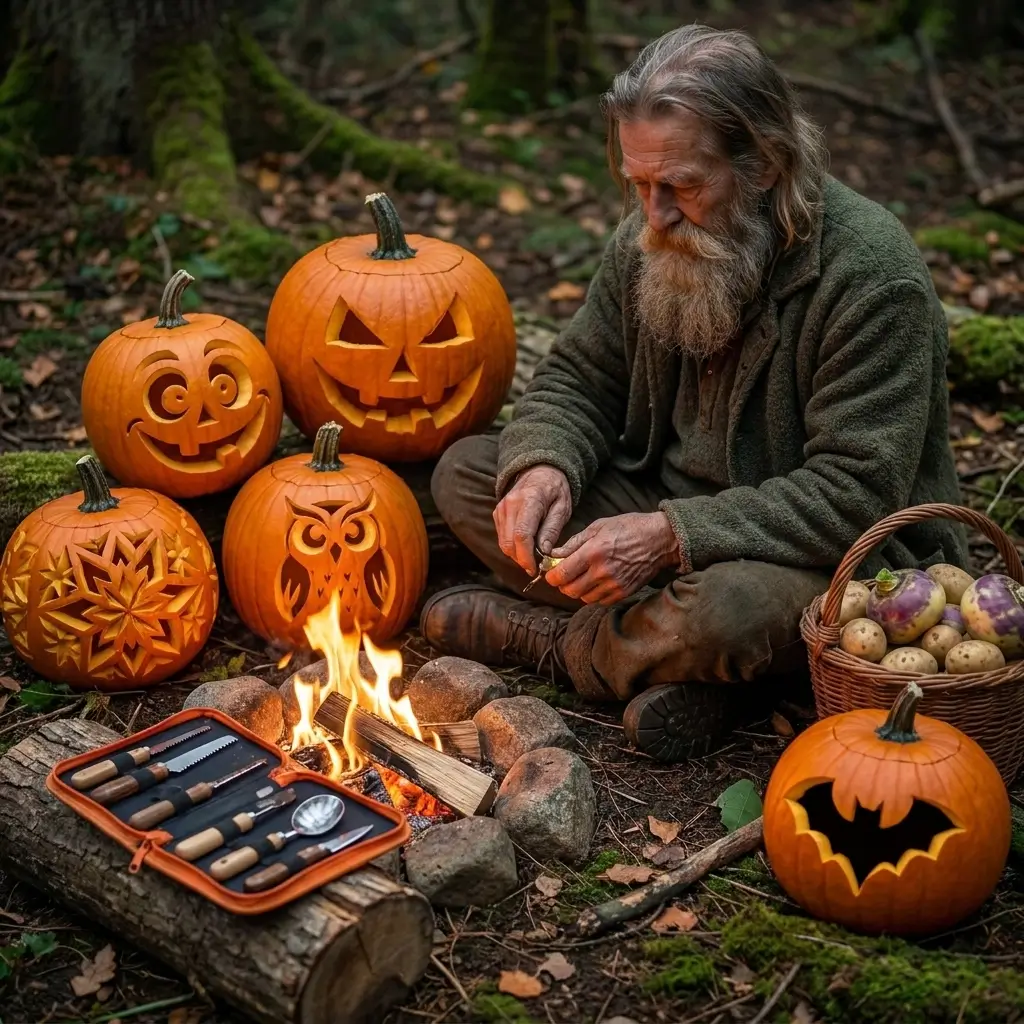
Today, people carve pumpkins into all kinds of designs, including:
- Classic scary faces with triangular eyes and jagged mouths
- Funny faces that look more playful than frightening
- Animal designs such as cats, bats, or owls
- Decorative patterns with stars, leaves, and geometric shapes
- Character-inspired designs created for Halloween parties and displays
If you’re selling Halloween décor, pumpkin carving kits make an obvious companion product.
Amazon product idea: A pumpkin carving tool kit can pair naturally with a Halloween pumpkin article because readers can use the tools to create their own jack-o’-lanterns.
5. When Did Pumpkins Become a Halloween Symbol?
The pumpkin didn’t become an instant Halloween superstar.
Halloween traditions evolved gradually as communities blended older European customs with North American traditions.
By the 19th century, Halloween celebrations in the United States increasingly featured parties, costumes, games, decorations, and carved pumpkins.
The pumpkin offered something important that older carved vegetables didn’t always provide: visual impact.
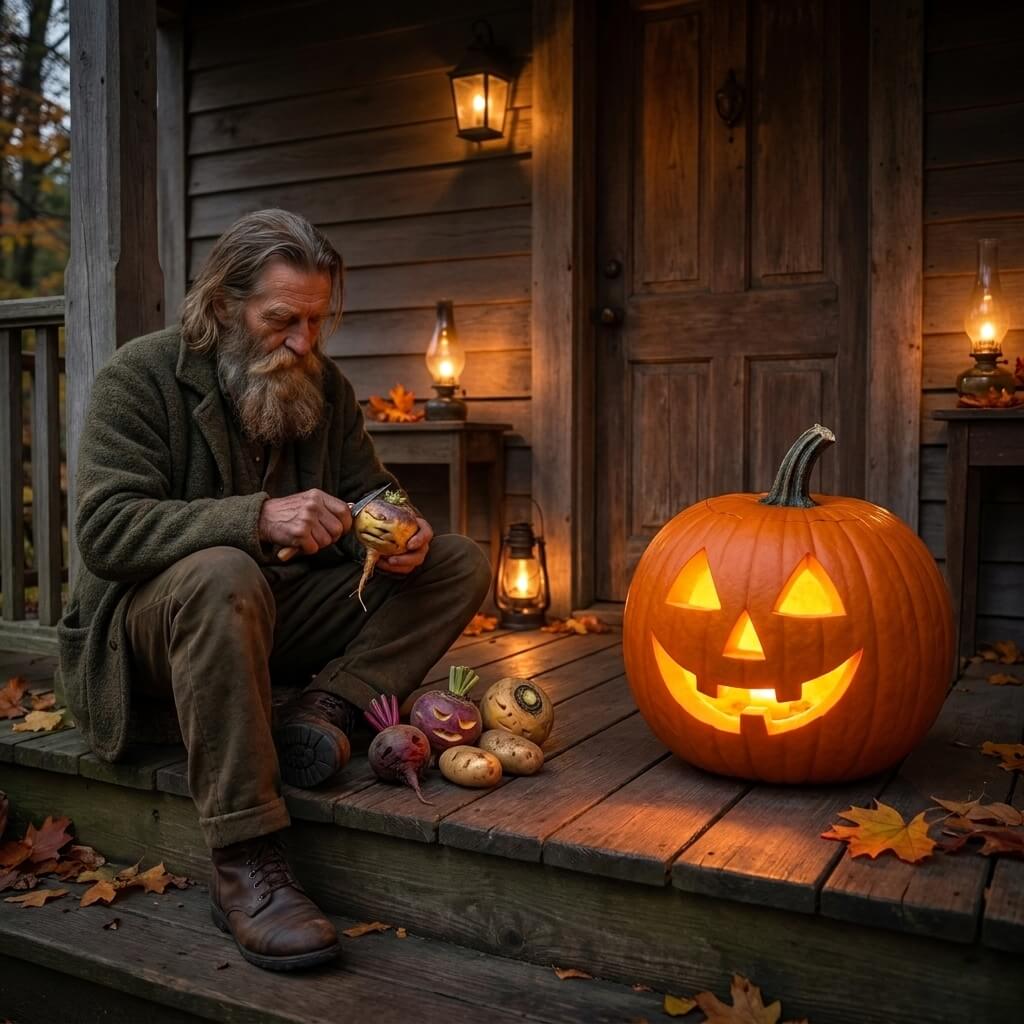
Place an orange pumpkin on a dark porch, add a glowing light, and suddenly your front entrance looks like Halloween has officially arrived.
That visual connection helped turn pumpkins into a cultural symbol rather than simply an autumn vegetable.
6. Why Are Pumpkins Associated With Fall and Halloween?
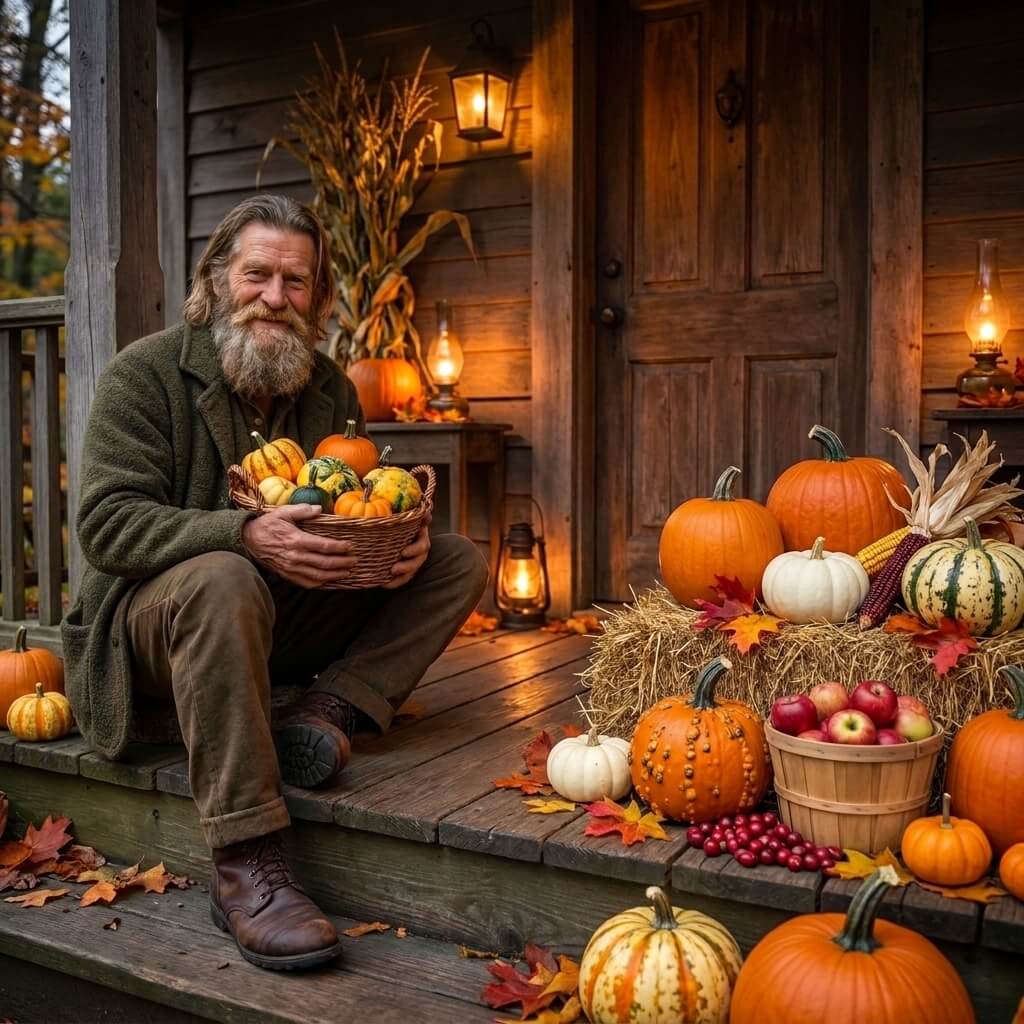
Pumpkins don’t only belong to Halloween. They also represent the broader autumn harvest season.
Pumpkins reach peak popularity during fall, which happens to overlap perfectly with Halloween.
You see pumpkins at:
- Farmers’ markets
- Fall festivals
- Thanksgiving celebrations
- Pumpkin patches
- Autumn craft events
- Halloween parties
- Front porch displays
That timing helped reinforce the relationship between pumpkins, fall, harvest, and Halloween.
FYI, that’s one reason pumpkin decorations can start appearing weeks before Halloween. People aren’t necessarily rushing Halloween. They simply enjoy the entire autumn season.
7. Why Are Orange Pumpkins So Popular for Halloween?
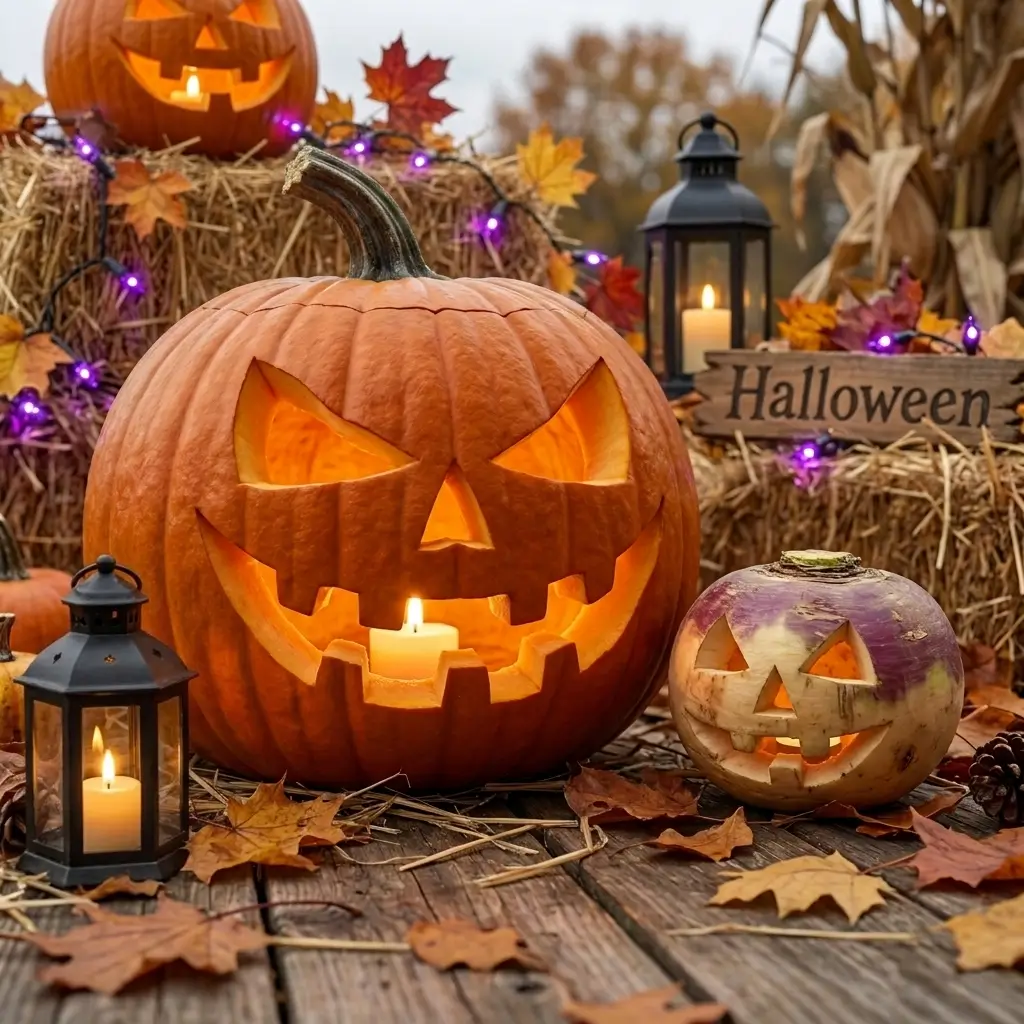
Orange has become almost inseparable from Halloween.
The color works particularly well because it contrasts dramatically with common Halloween colors such as black and purple.
A bright orange pumpkin also naturally communicates autumn and harvest.
When you combine orange pumpkins with:
- Black lanterns
- Autumn leaves
- Hay bales
- Corn stalks
- Warm lighting
- Halloween signs
you get a classic seasonal look.
The pumpkin’s natural orange color does much of the decorating work for you.
That makes pumpkins especially useful for people who want an inexpensive Halloween display without buying dozens of decorations.
8. Do People Still Use Turnips for Halloween?
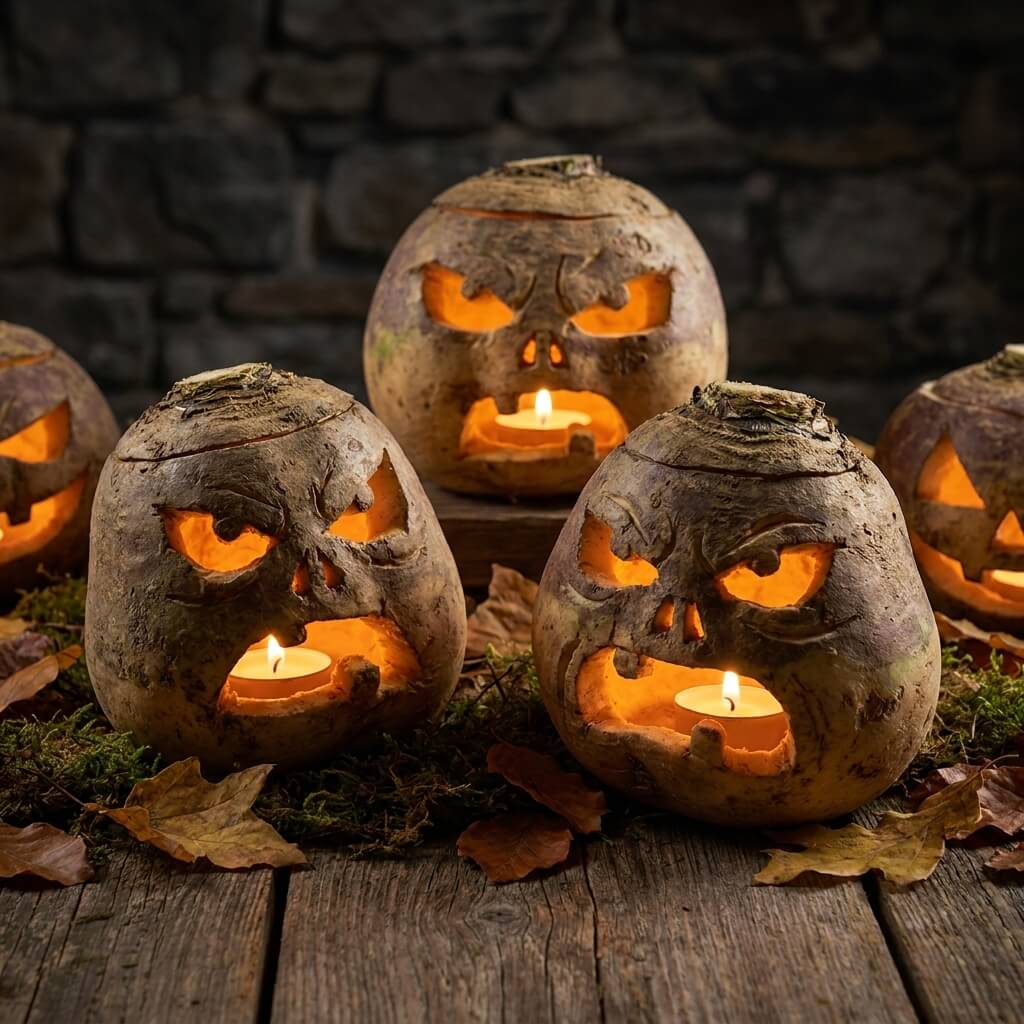
Yes, although pumpkins dominate modern Halloween celebrations in North America.
Some communities in Ireland and Scotland continue to recognize older traditions involving turnips and other root vegetables.
These vegetables can actually create a different appearance from pumpkins. Their harder texture and unusual shapes can produce lanterns that look quite eerie.
IMO, a traditional carved turnip looks considerably more mysterious than the average smiling pumpkin.
But pumpkins won the popularity contest because they offer an easier carving experience and a much larger decorative surface.
9. Why Are Pumpkins Used for Halloween Instead of Other Fruits?
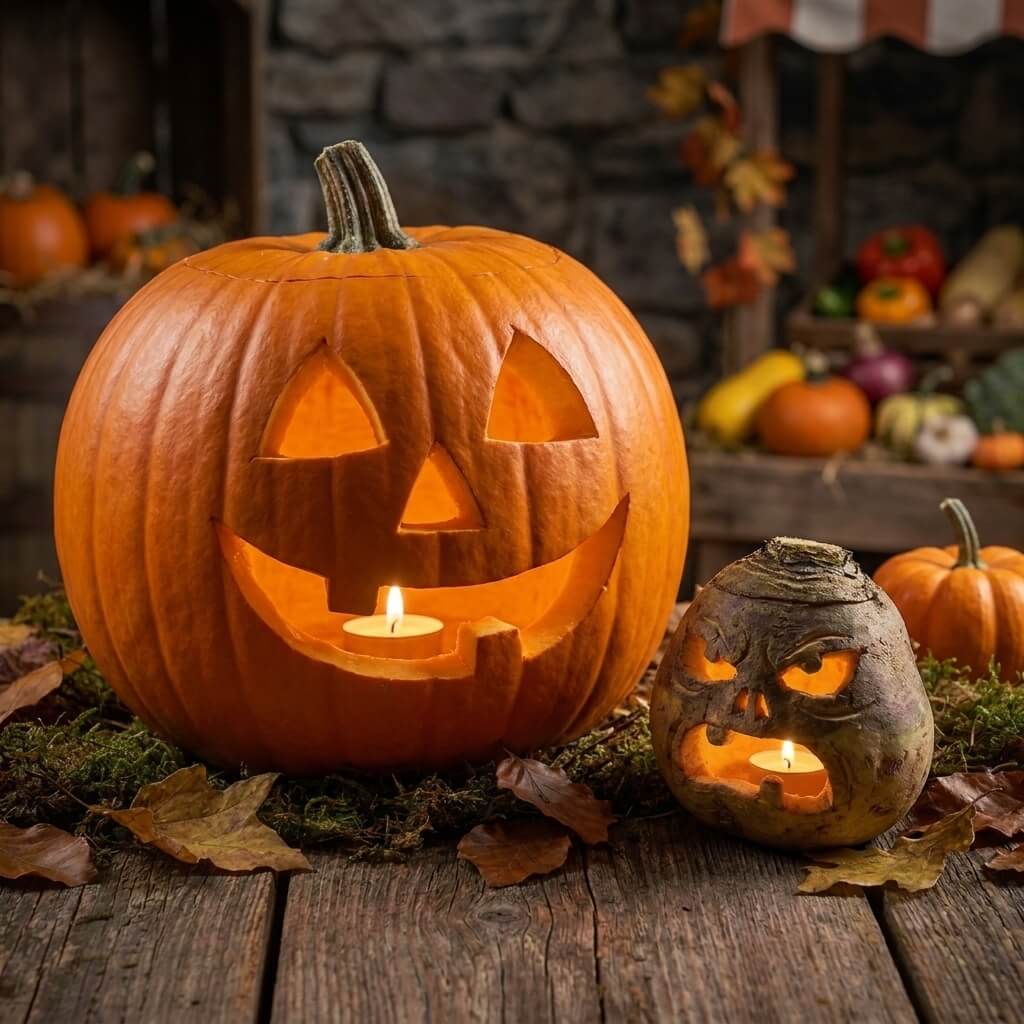
Technically, you could carve plenty of fruits and vegetables.
But pumpkins offer an unusually good combination of size, shape, texture, availability, and appearance.
Consider the advantages:
- Size: Large pumpkins provide plenty of room for creative designs.
- Shape: Their rounded shape creates a recognizable lantern.
- Texture: The flesh allows relatively easy carving.
- Color: Orange immediately suggests fall.
- Availability: Farmers and stores sell large quantities during autumn.
- Tradition: Centuries of folklore and cultural practices reinforce their Halloween connection.
That’s why the pumpkin became more than just another seasonal crop.
It became the face of Halloween itself.
10. What Does the Pumpkin Symbolize at Halloween?
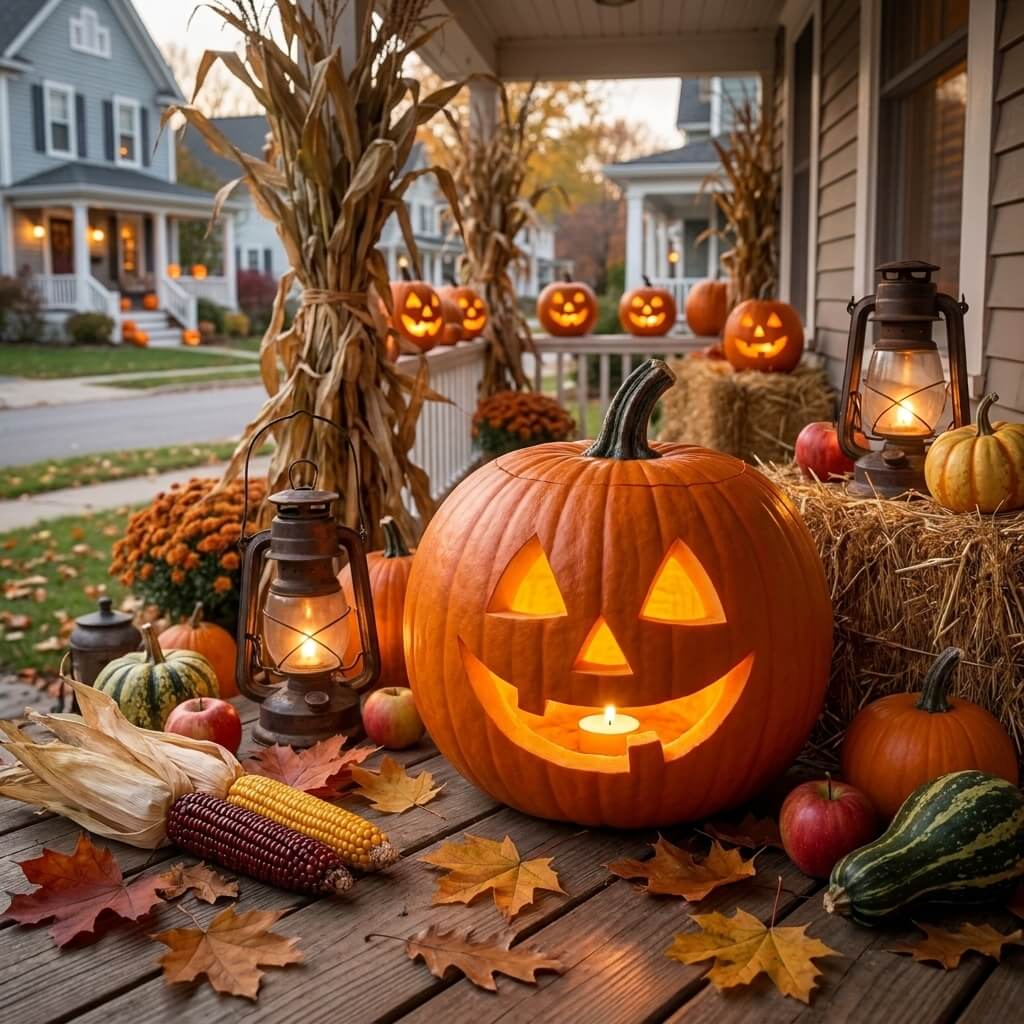
The pumpkin represents several ideas at once.
Most importantly, it represents Halloween itself.
But it also connects to:
- Autumn
- Harvest
- Folklore
- Community celebrations
- Creativity
- Seasonal decorating
- Family traditions
That’s what makes the pumpkin such a powerful symbol.
A jack-o’-lantern doesn’t simply decorate a porch. It tells people that Halloween has arrived.
11. Why Do People Still Love Halloween Pumpkins?
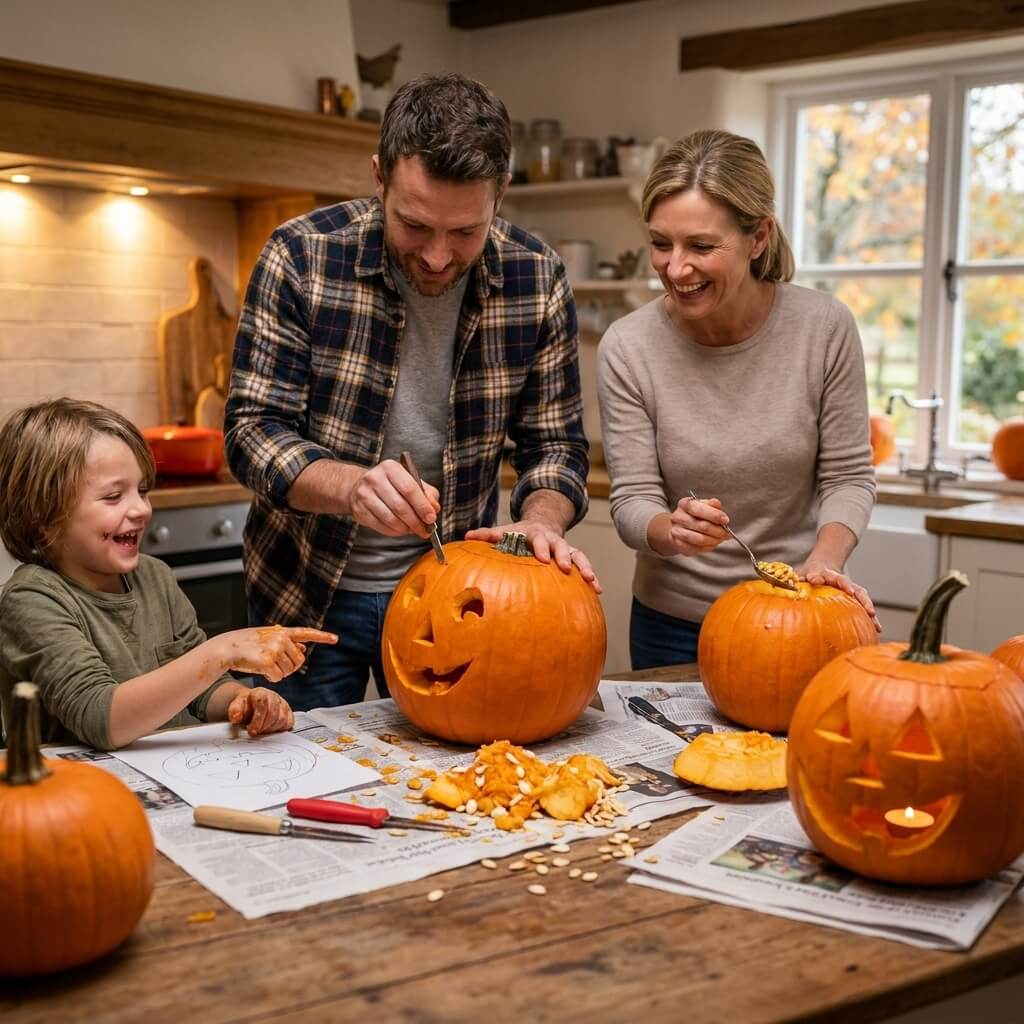
The tradition survived because pumpkins combine history with simple, hands-on fun.
You don’t need to understand Celtic history to enjoy carving a pumpkin. You don’t need to know the legend of Stingy Jack to put one on your porch.
You simply need a pumpkin, a design, and a little patience.
And yes, probably something to clean up afterward. 🙂
What I personally love about the tradition is how easily it brings people together.
One person sketches the face, another handles the carving, someone else scoops out the seeds, and suddenly a simple vegetable becomes part of a shared Halloween memory.
That’s probably one reason the tradition has lasted for so long.
12. What Can You Do With Your Halloween Pumpkin?
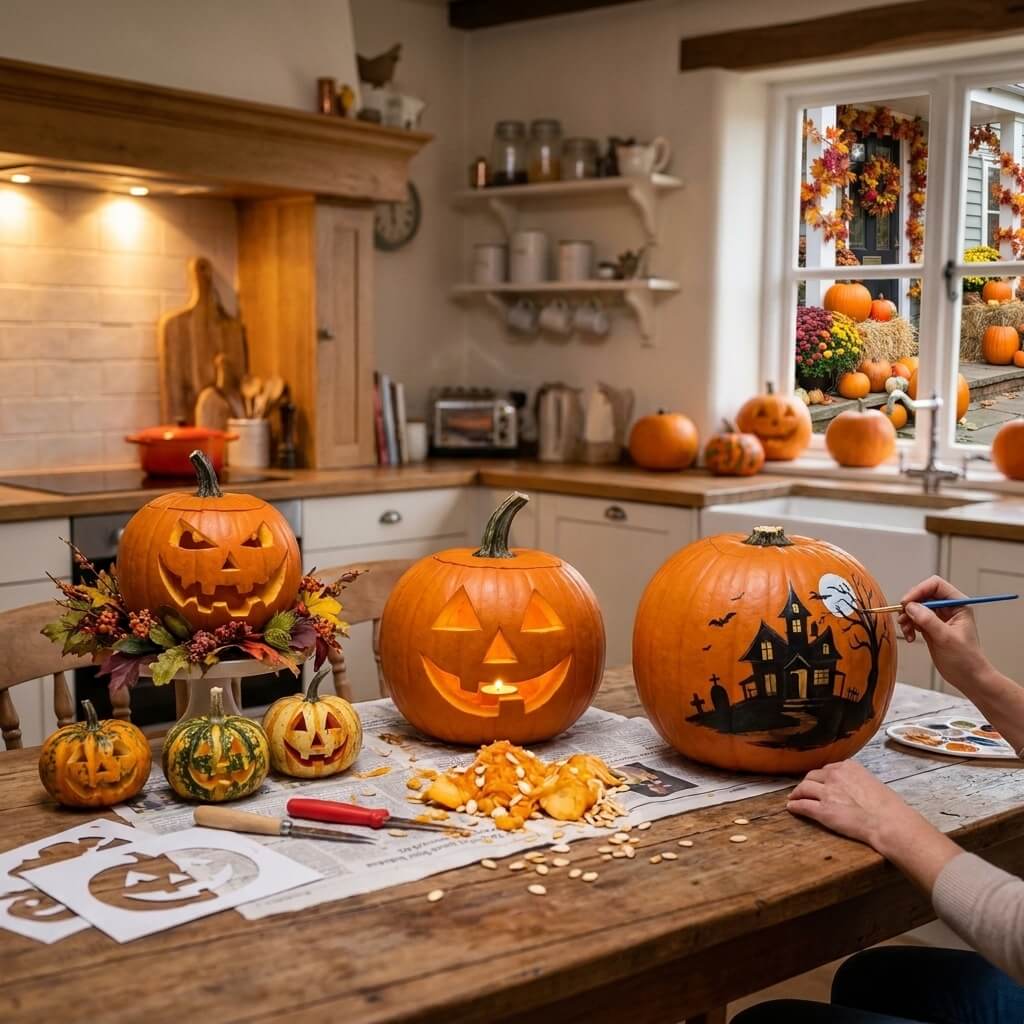
Once you understand why pumpkins are used for Halloween, you can have a little more fun with the tradition.
Try these ideas:
- Create a classic jack-o’-lantern for your front porch.
- Paint a pumpkin if you don’t want to carve it.
- Make several small pumpkin designs for a tabletop display.
- Create a pumpkin centerpiece for a Halloween party.
- Use pumpkin carving stencils for more detailed patterns.
- Display pumpkins with fall foliage for a seasonal porch arrangement.
- Create a family pumpkin-carving tradition every October.
If you’re writing a Halloween decorating article or creating seasonal content, pumpkin carving also gives you plenty of opportunities to connect décor, crafts, food, and family activities.
13. The Simple Answer: Why Are Pumpkins Used for Halloween?
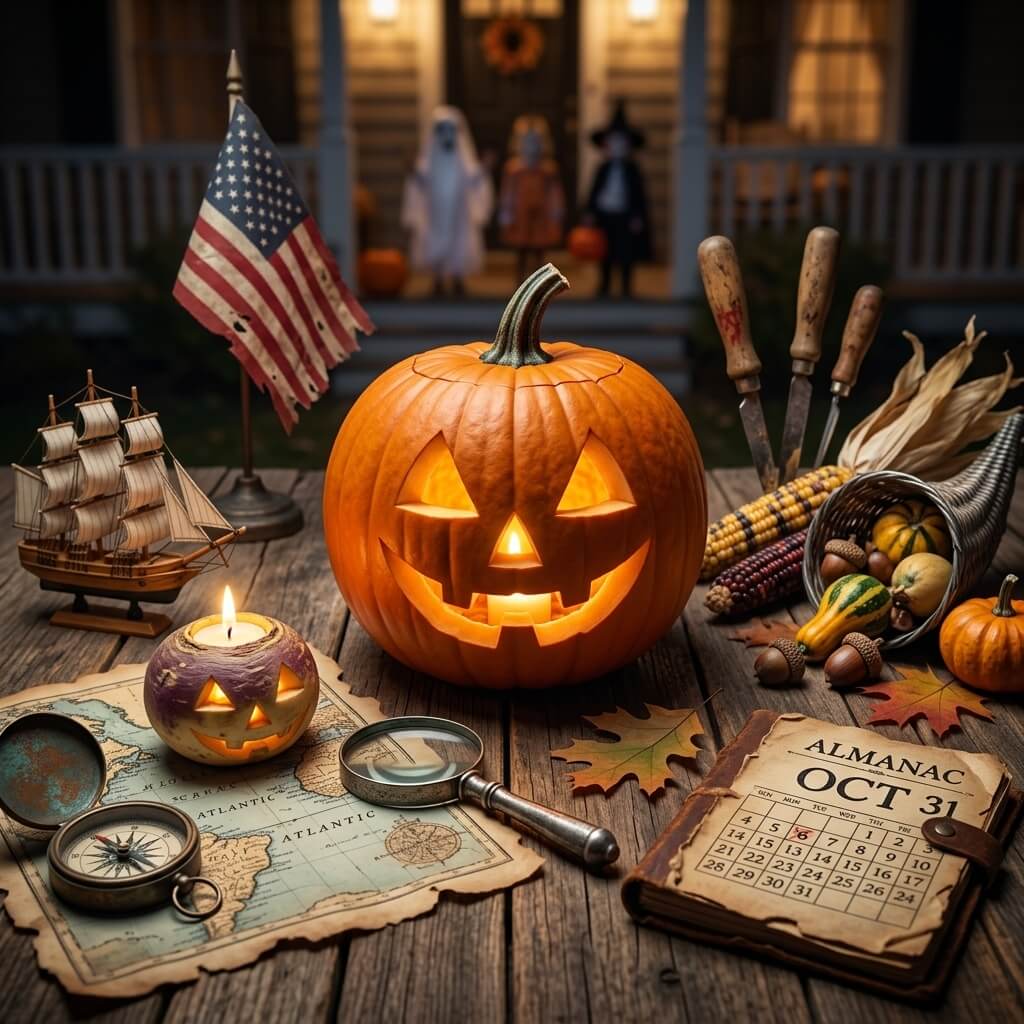
So, why are pumpkins used for Halloween?
The short answer starts with older European traditions involving carved vegetables. Irish and Scottish communities carried those customs to North America, where people discovered that pumpkins offered a larger, easier, and more visually appealing option than turnips.
Over time, pumpkin carving became part of American Halloween culture, and the jack-o’-lantern became a recognizable symbol of the holiday.
The pumpkin also benefited from perfect timing. It grows during the fall harvest season, arrives in stores around Halloween, and naturally comes in a bright autumn color.
So when you see a glowing pumpkin on a porch, you’re looking at much more than a seasonal decoration.
You’re seeing a tradition shaped by folklore, migration, agriculture, creativity, and centuries of Halloween history.
Conclusion: The Pumpkin Became Halloween’s Unofficial Mascot
The next time you see a jack-o’-lantern glowing outside someone’s house, you’ll know there’s more behind that goofy or frightening face than a Halloween craft project.
Pumpkins became associated with Halloween because they replaced older carved vegetables, especially turnips, after the tradition reached North America. Their size, shape, color, and easy availability made them perfect for carving and decorating.
And honestly, pumpkins probably couldn’t have asked for better publicity.
For centuries, people have transformed an ordinary harvest vegetable into glowing faces, porch decorations, party centerpieces, and family traditions.
So grab a pumpkin this fall, choose a ridiculous face, and keep the tradition going.
After all, Halloween without pumpkins would feel a little like Christmas without a tree. Technically possible, but why would you?